Angola (May 1999 & Jan 2000 & April 2012)
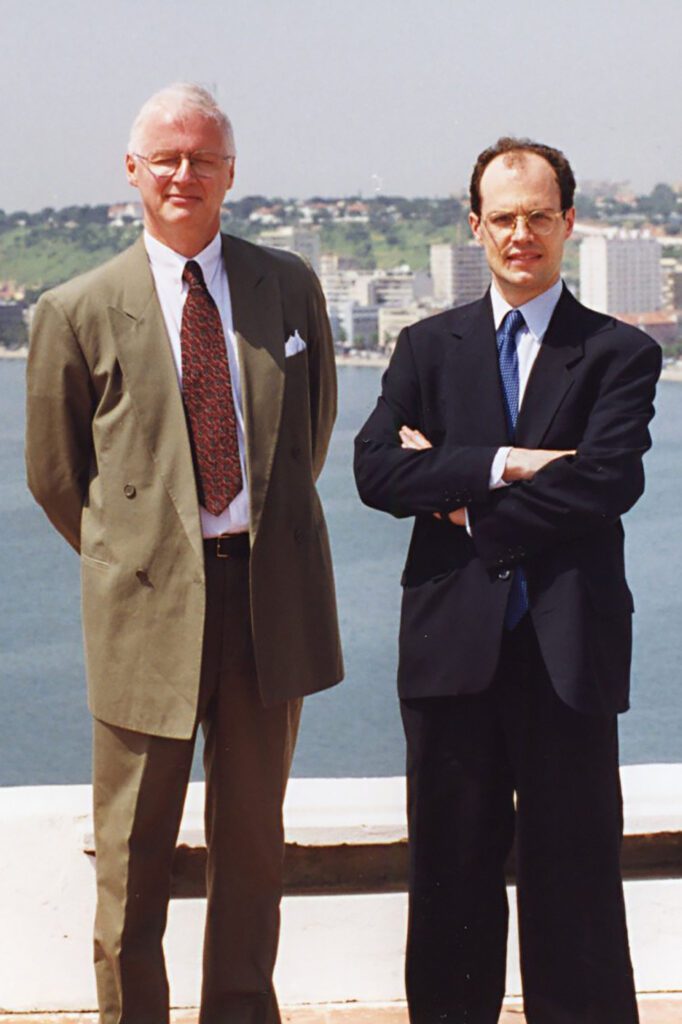
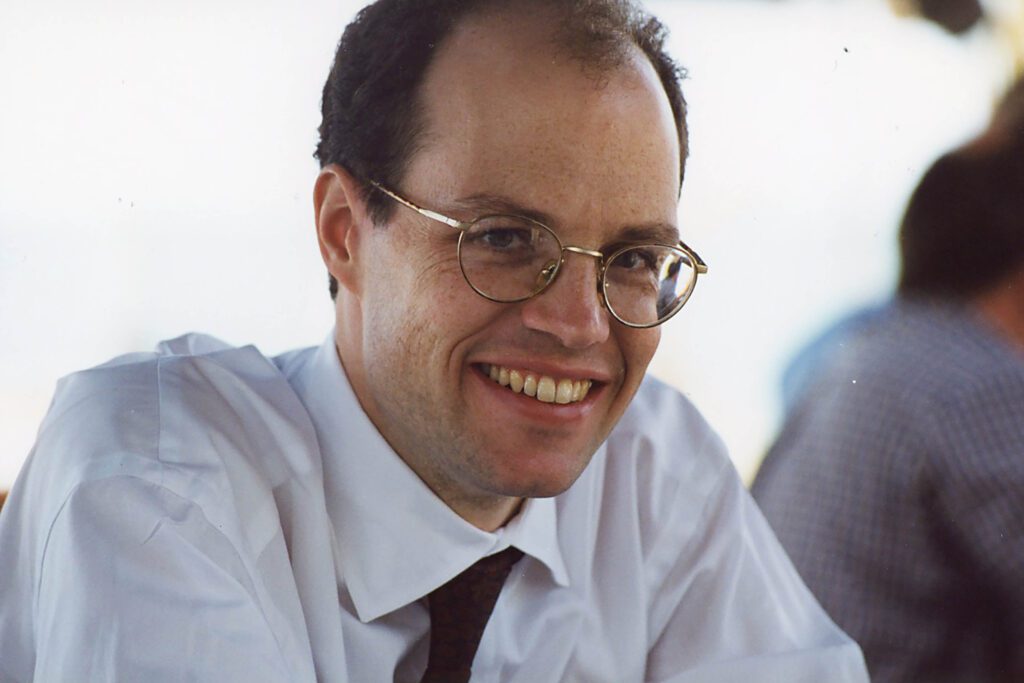
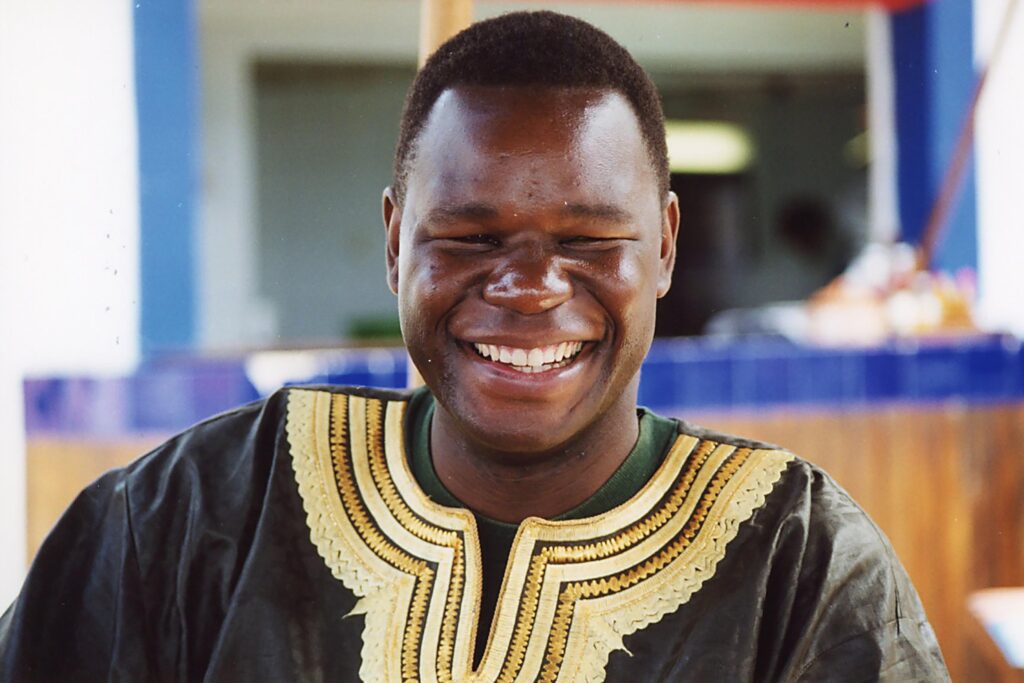
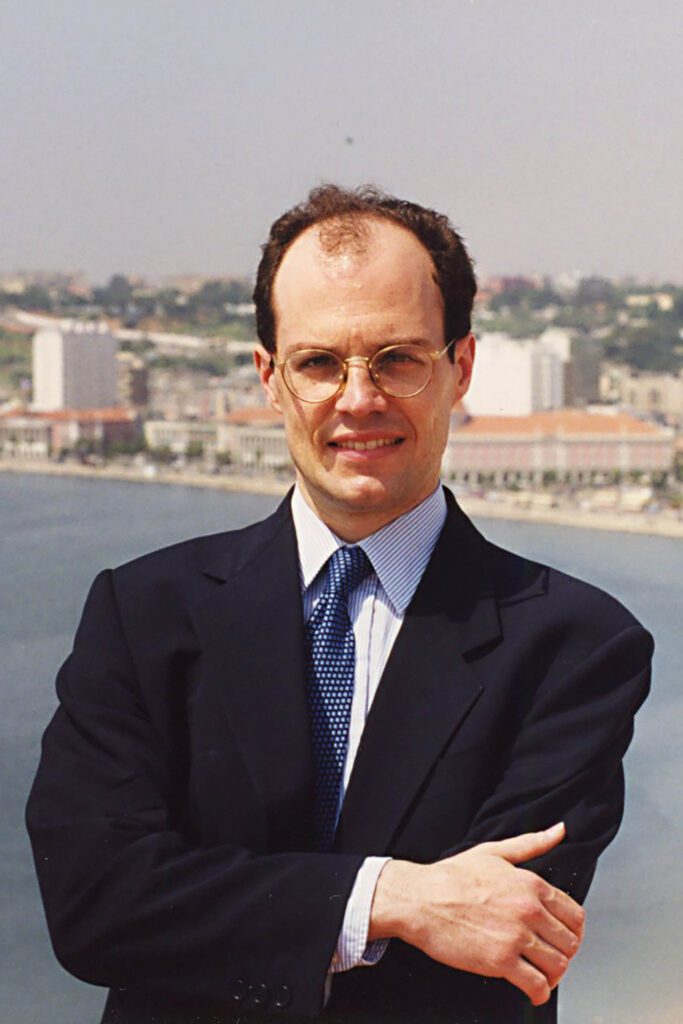
As the newly elected Chair of the UN Security Council’s Angolan Sanctions Committee, I travelled with David Angell and Stanlake Samkange to Luanda to discuss the effective applications of UN Sanctions against the rebel movement (UNITA) and its leader, Jonas Savimbi, in May 1999. In all our Angolan endeavours, we were brilliantly assisted by Allan Cain, who has been Canada’s honorary consul in Angola since 1990,
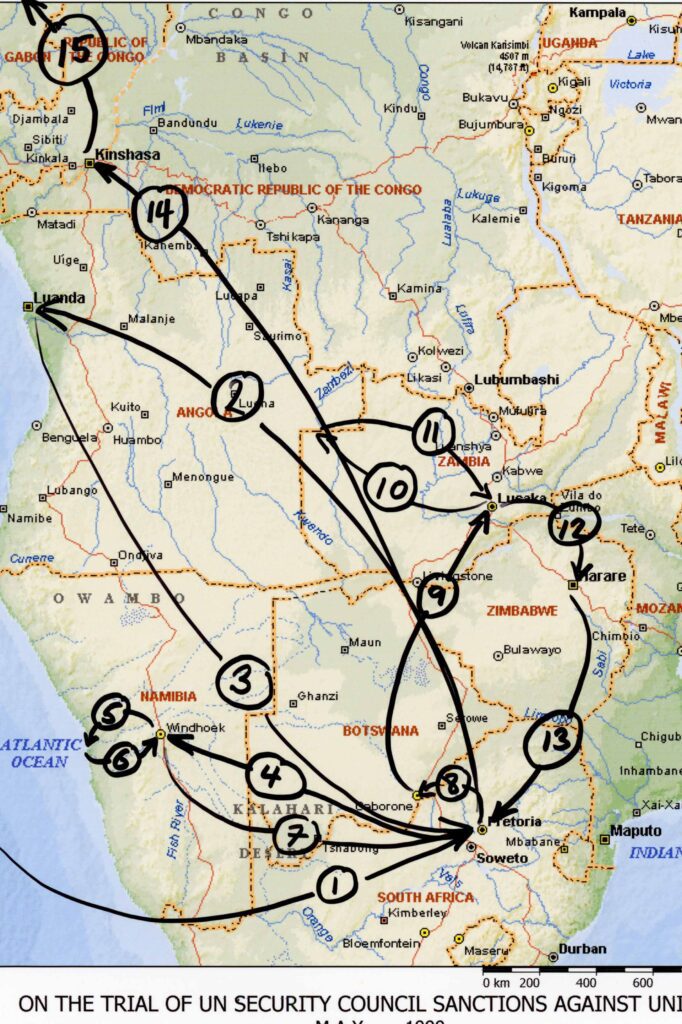
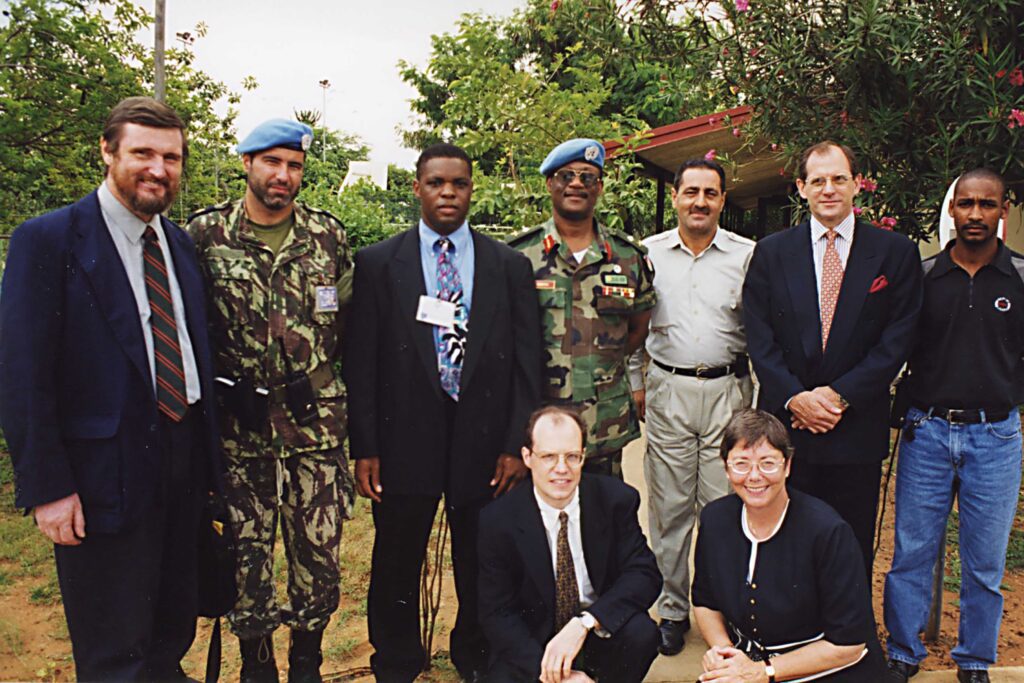
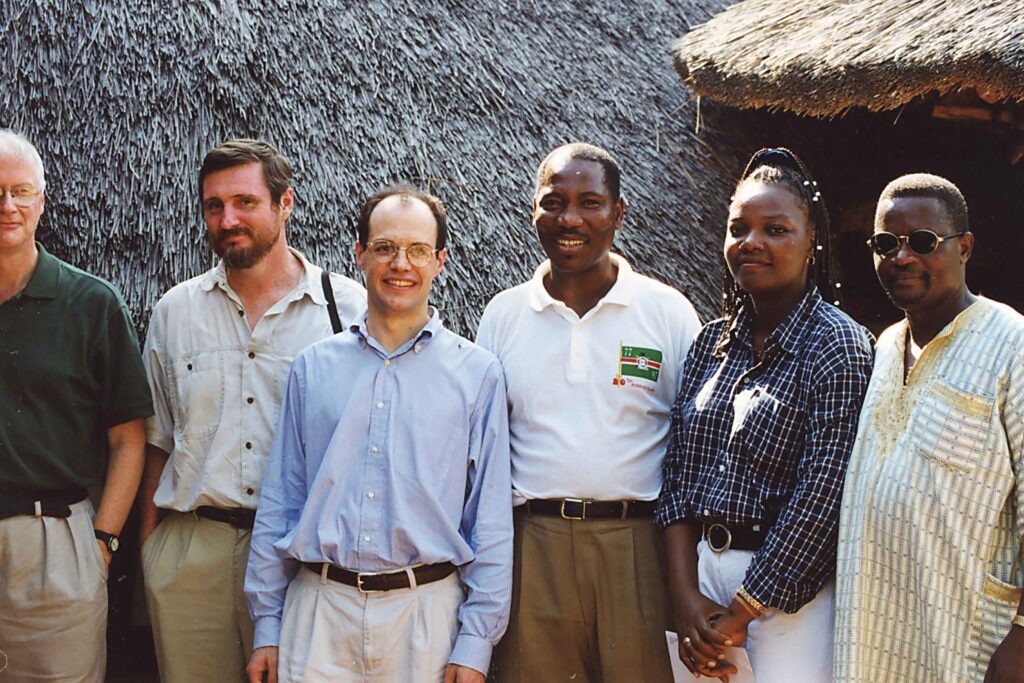
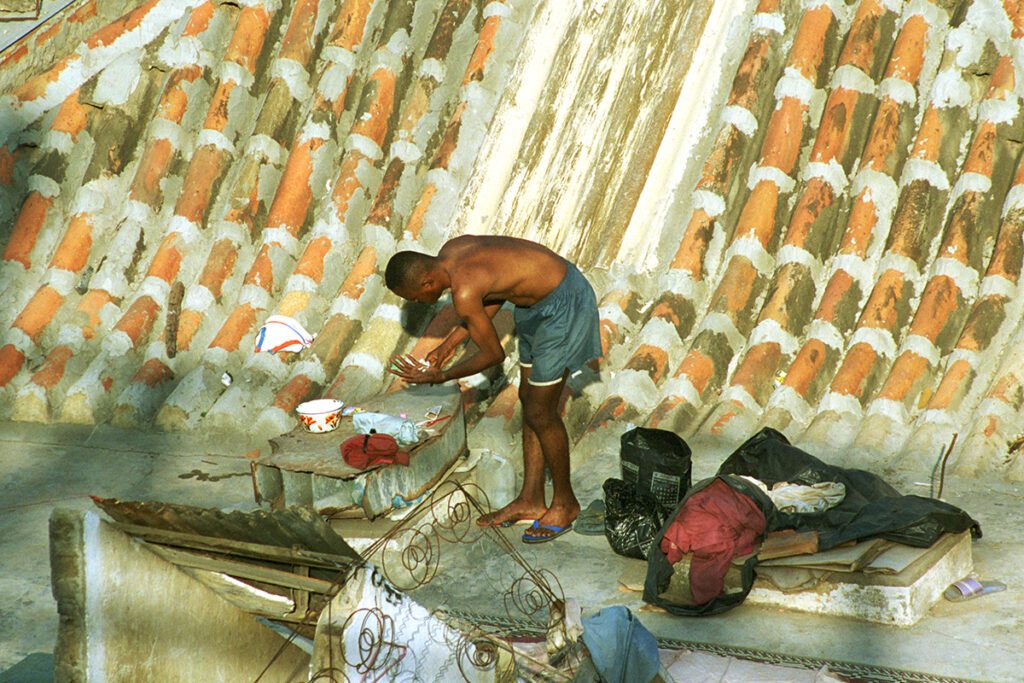
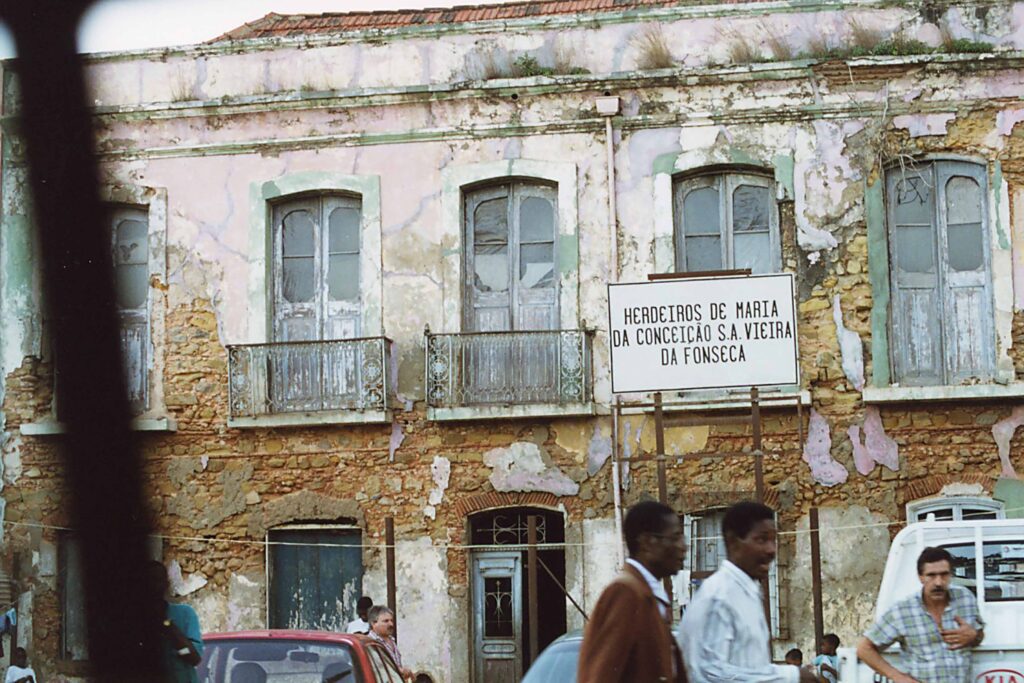
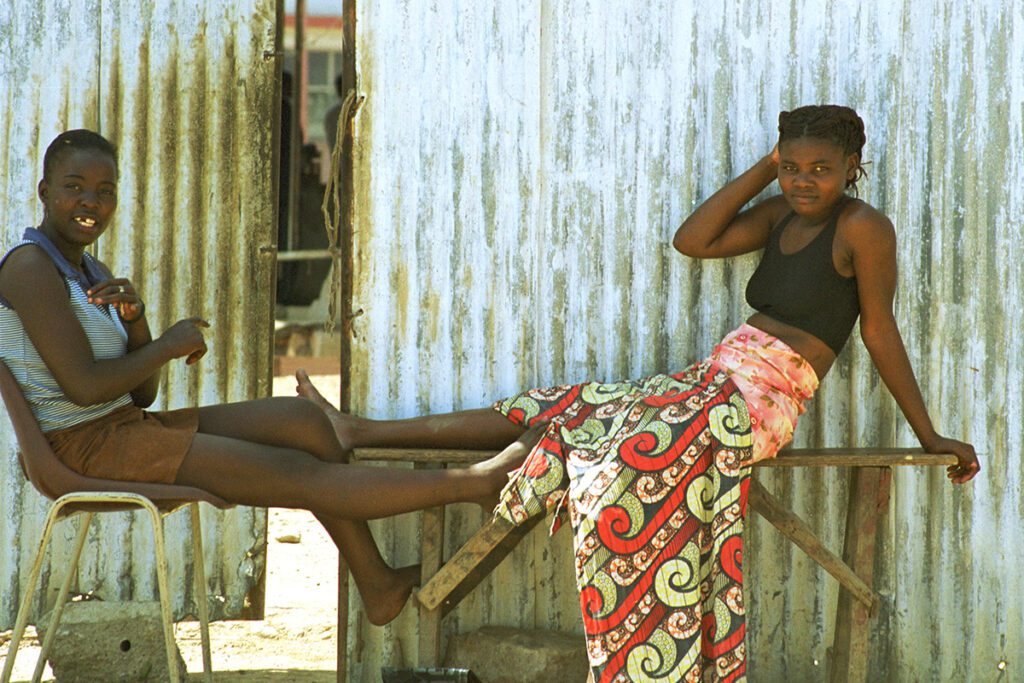
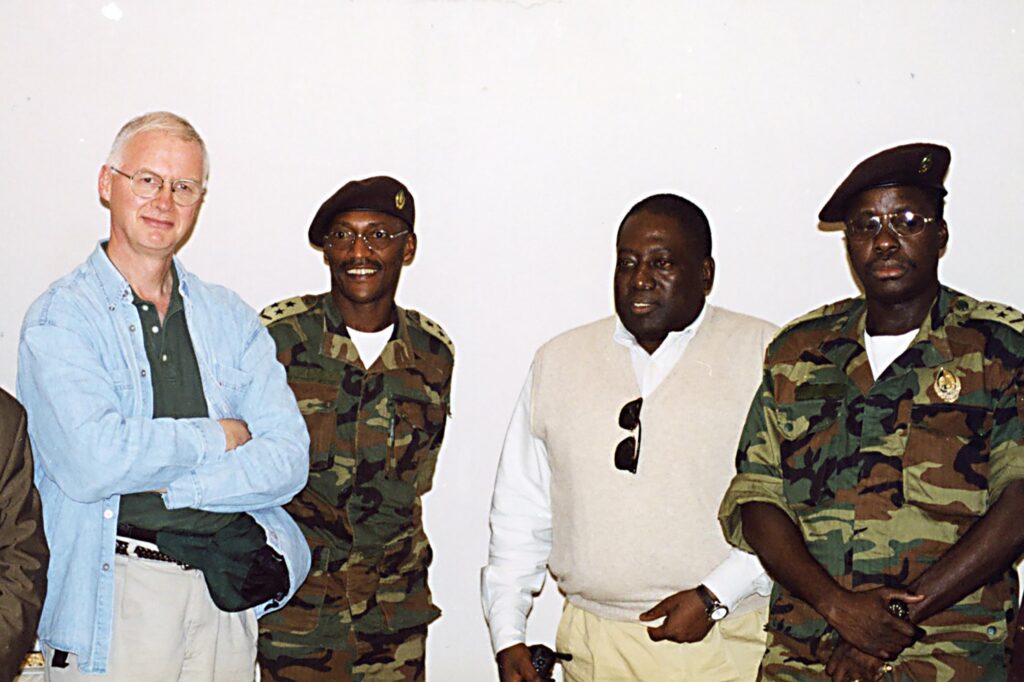
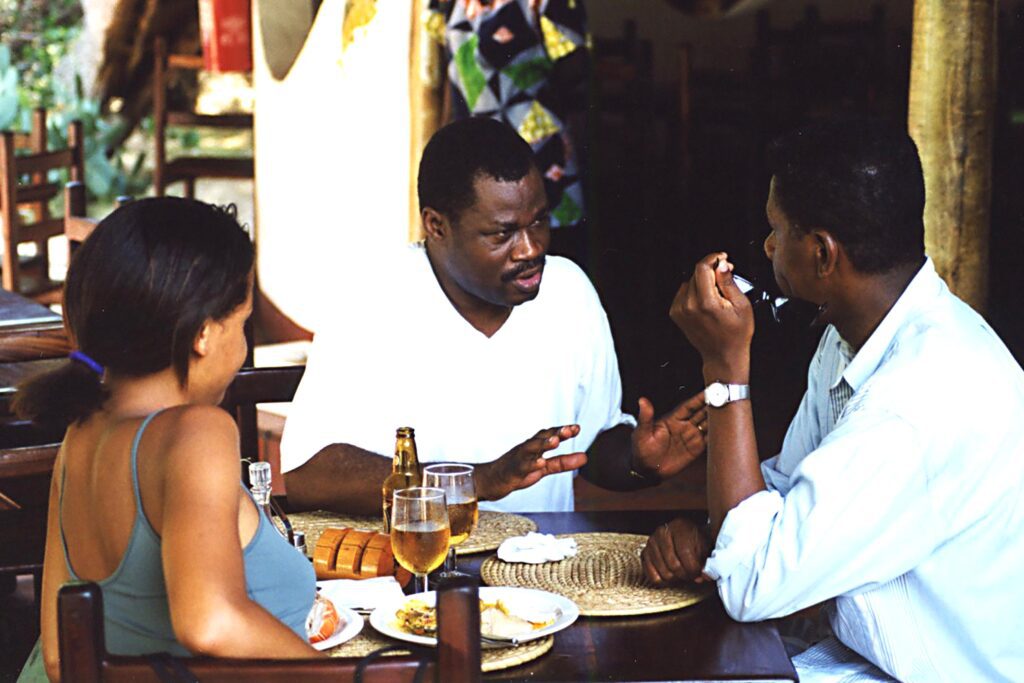
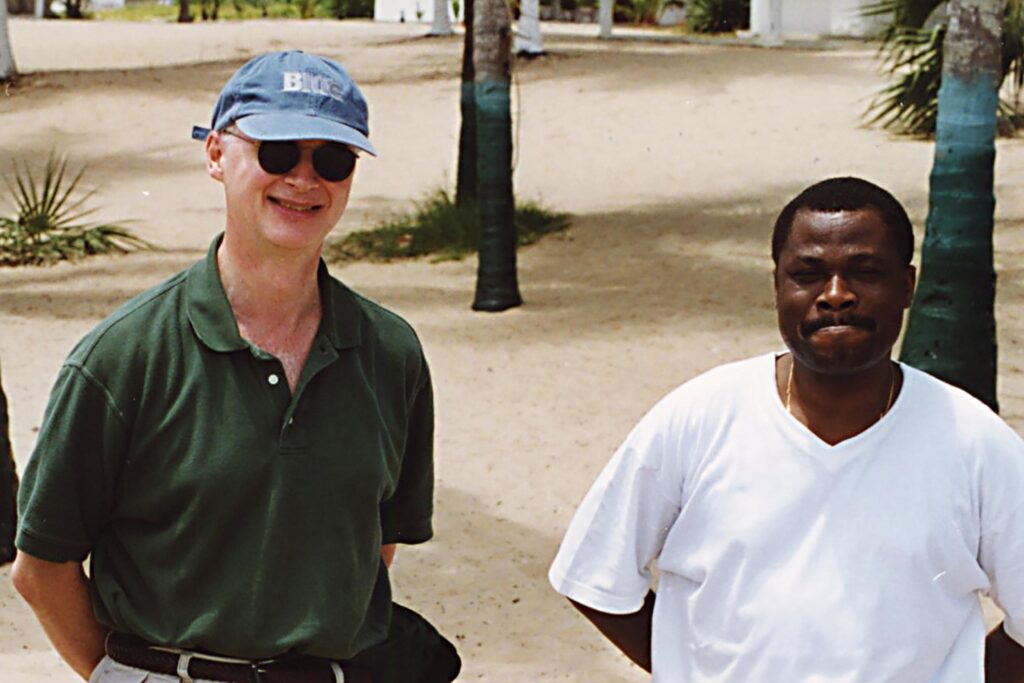
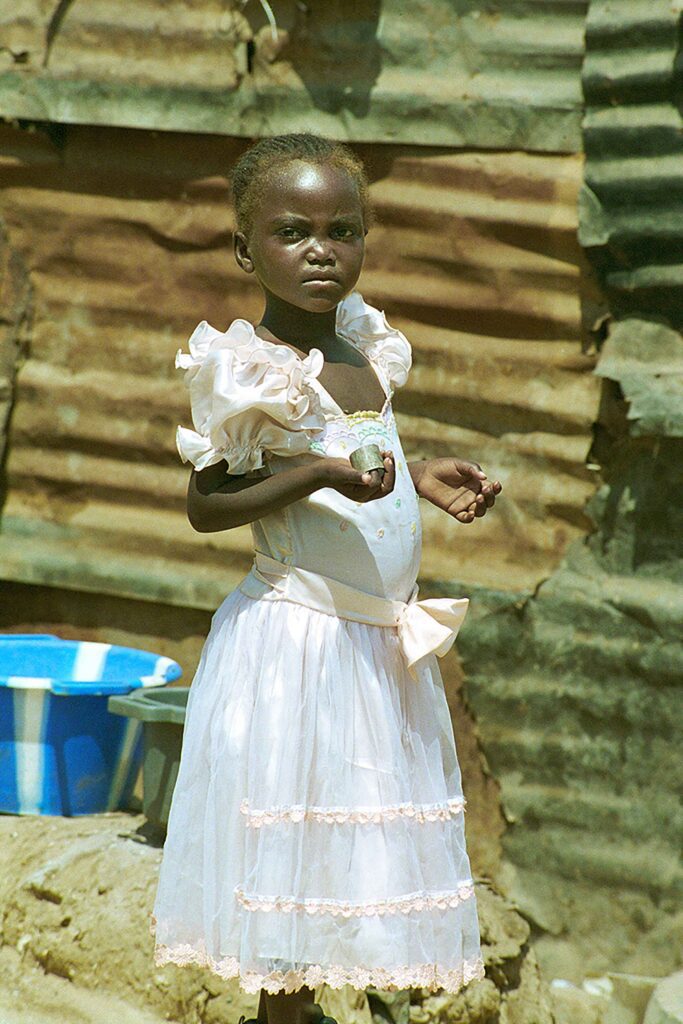
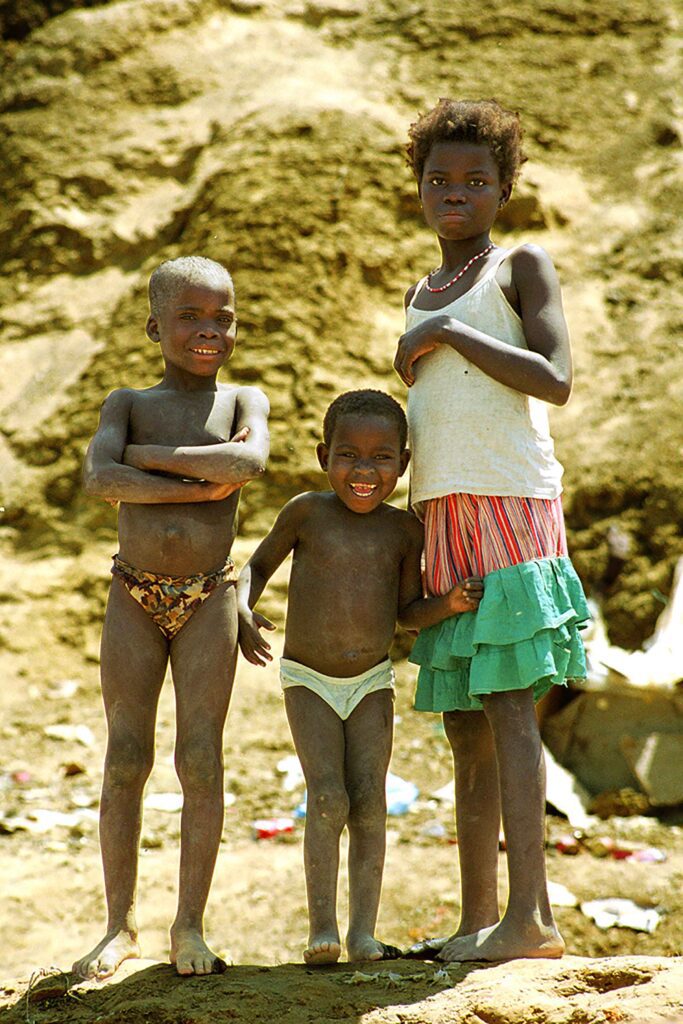
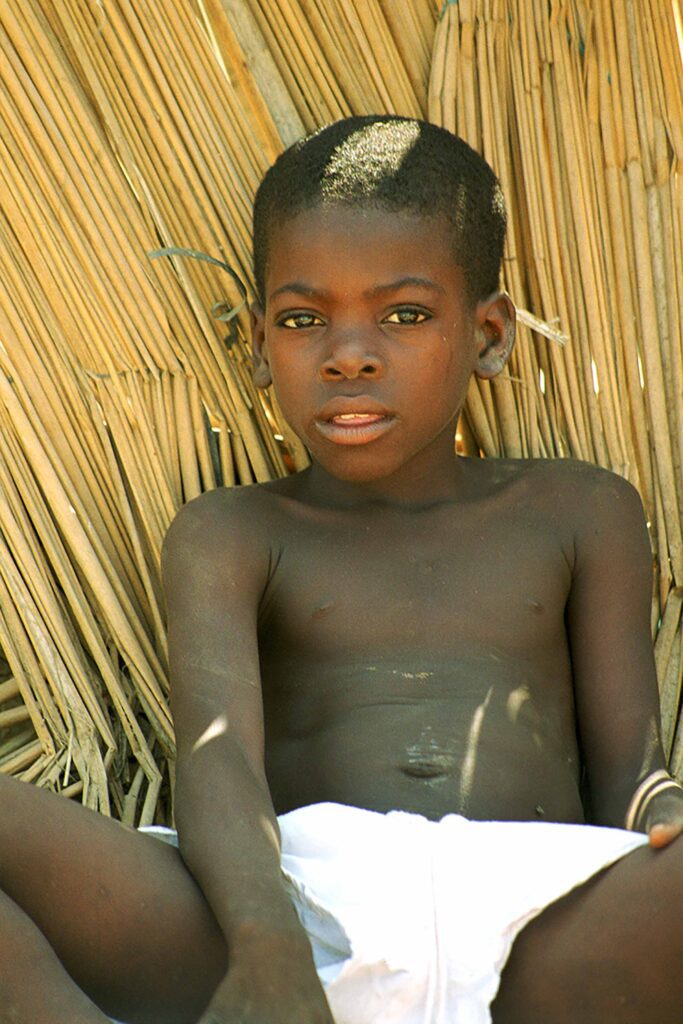
From Luanda, David, Stanlake and I travelled to important towns in the interior taken, over the previous couple of weeks, by Government forces from Savimbi’s UNITA. We were accompanied by General Nunda, who subsequently became Angola’s Chief of Defence Staff.
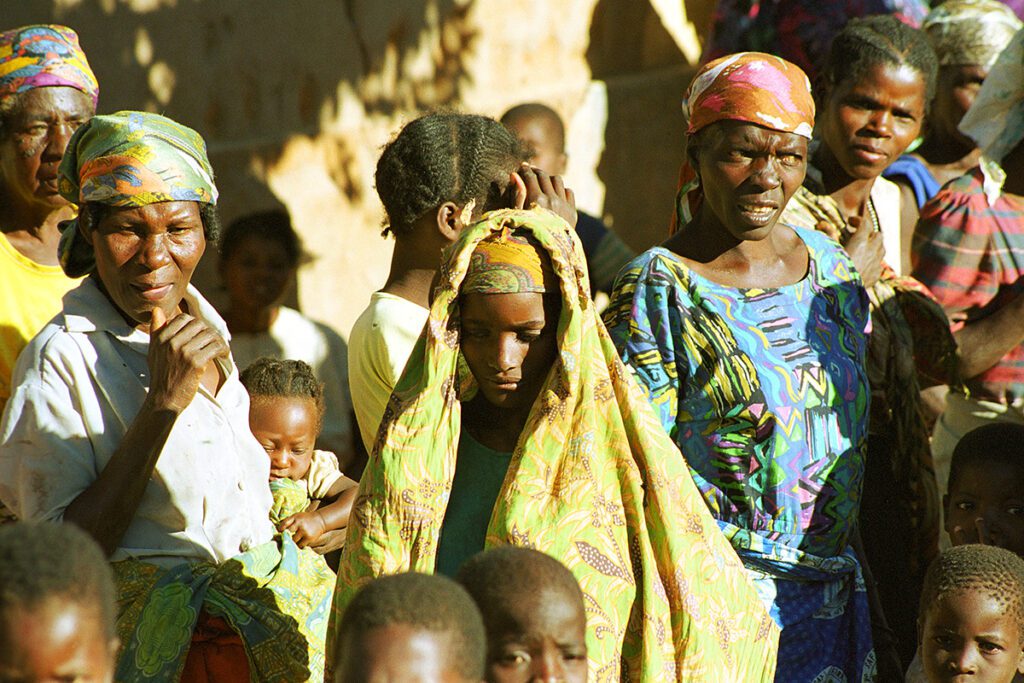
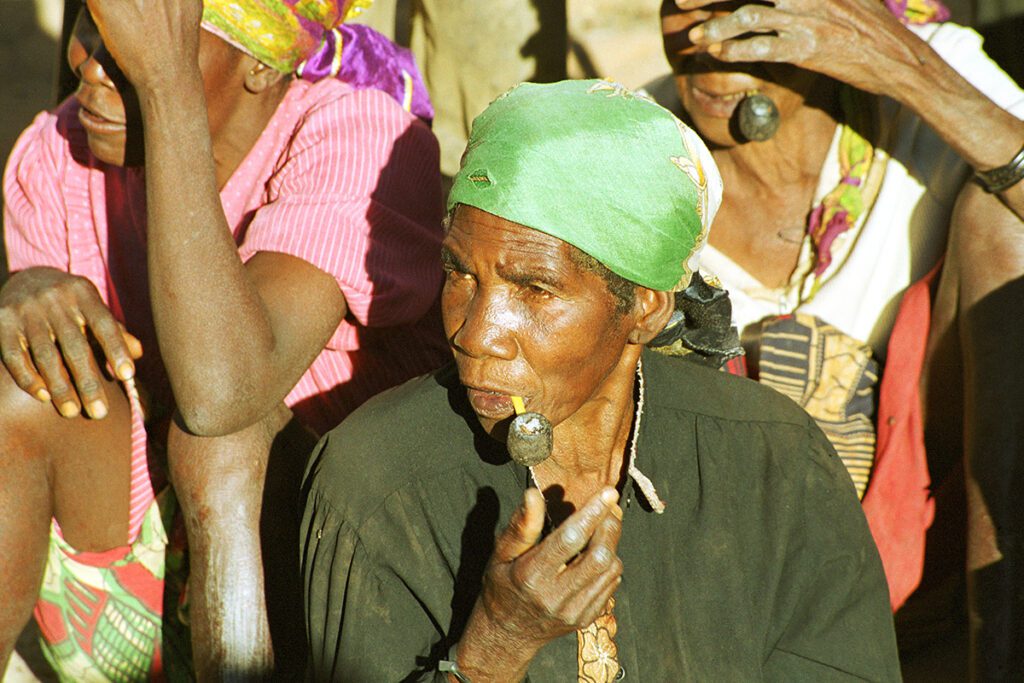
So, first to the significantly battle-damaged, regional capital of Huambo, which housed large populations of desperate refugees.
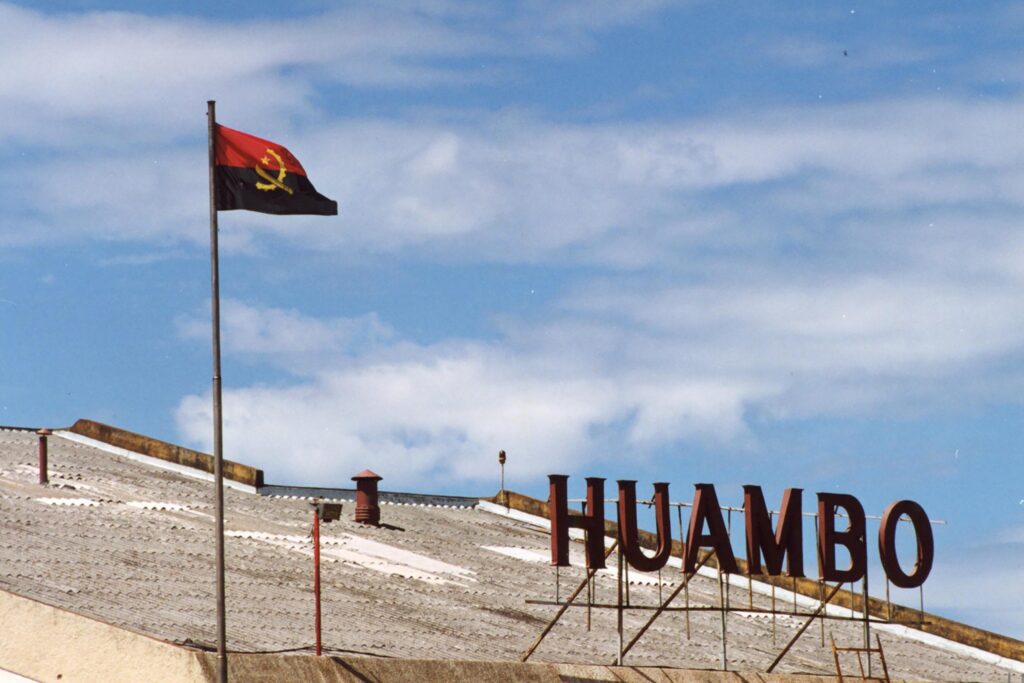
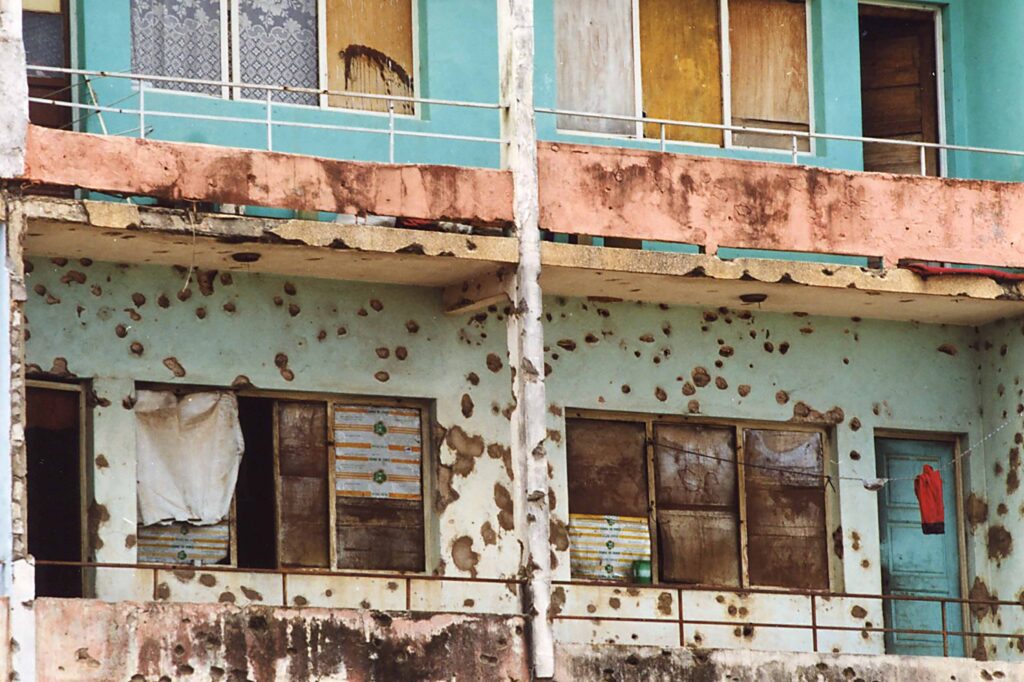
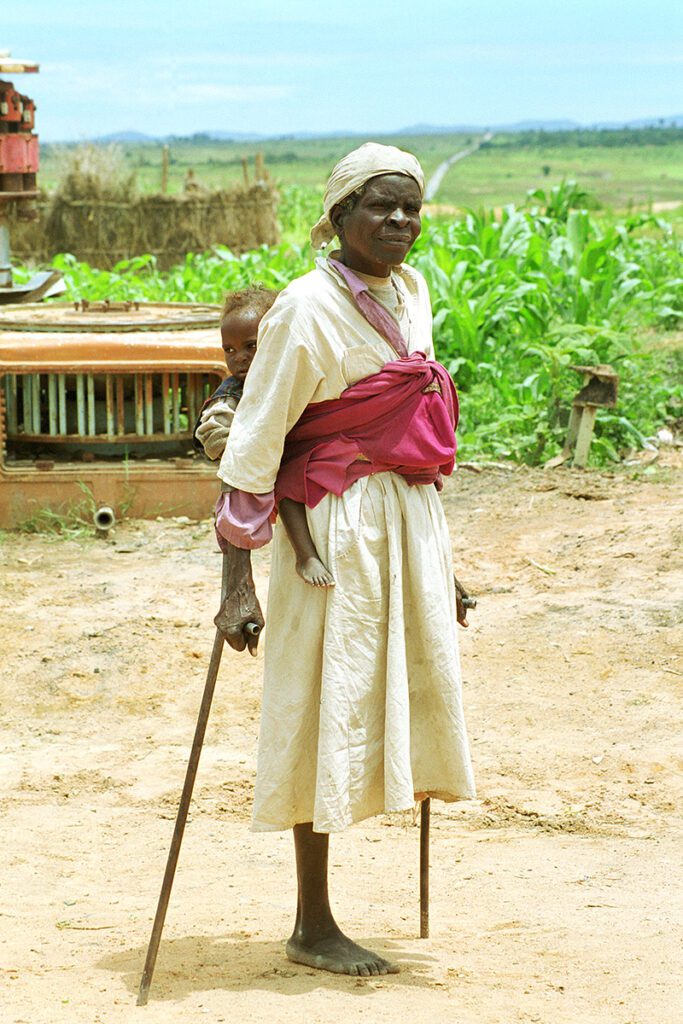
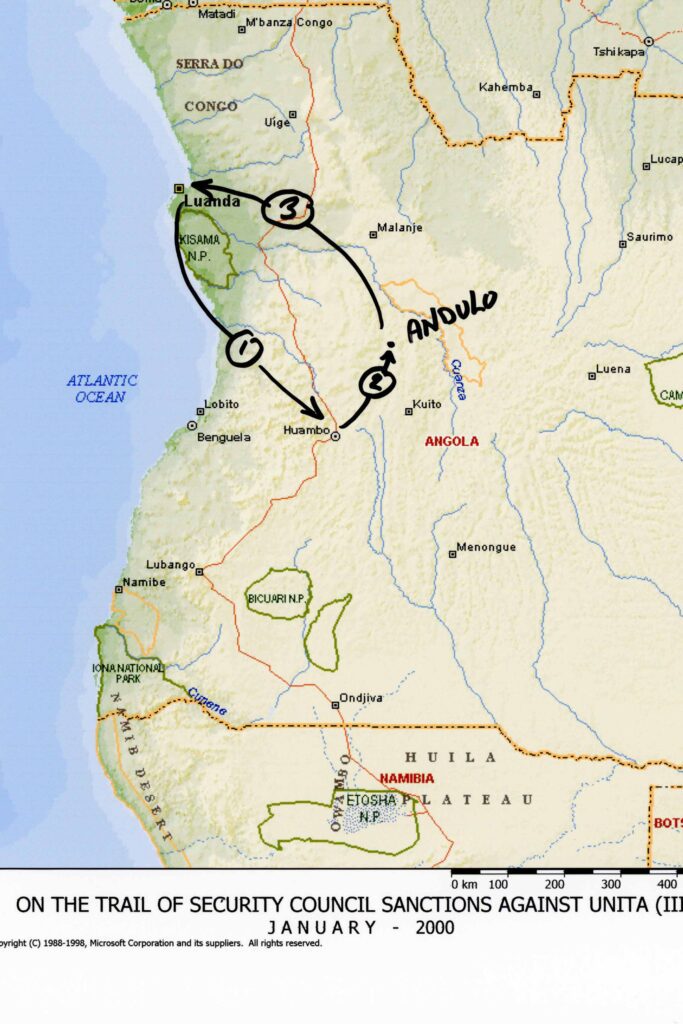
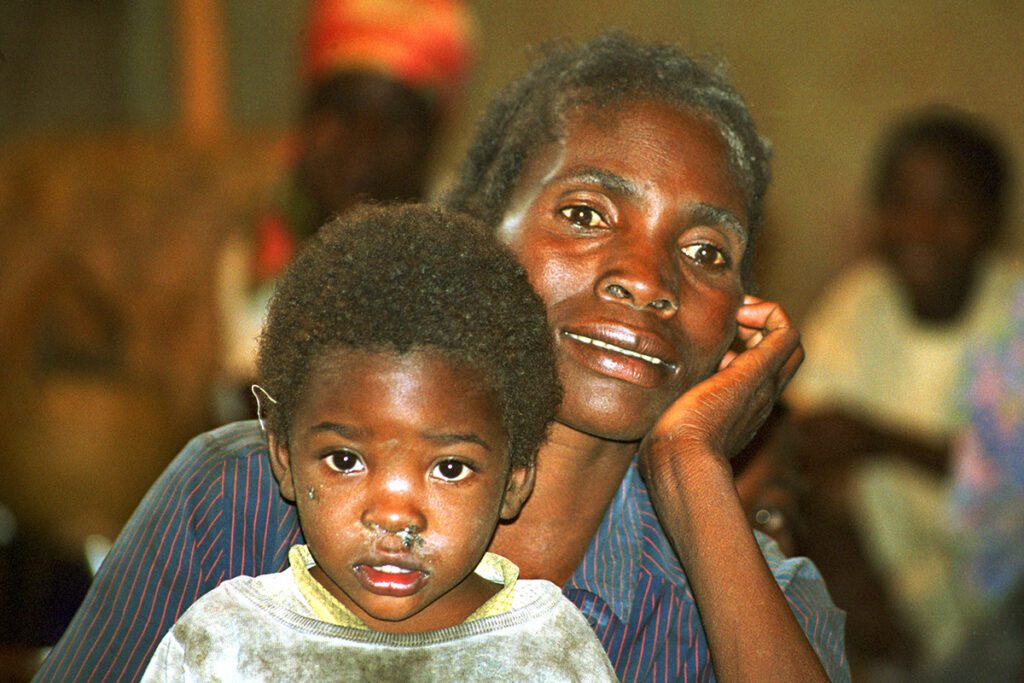
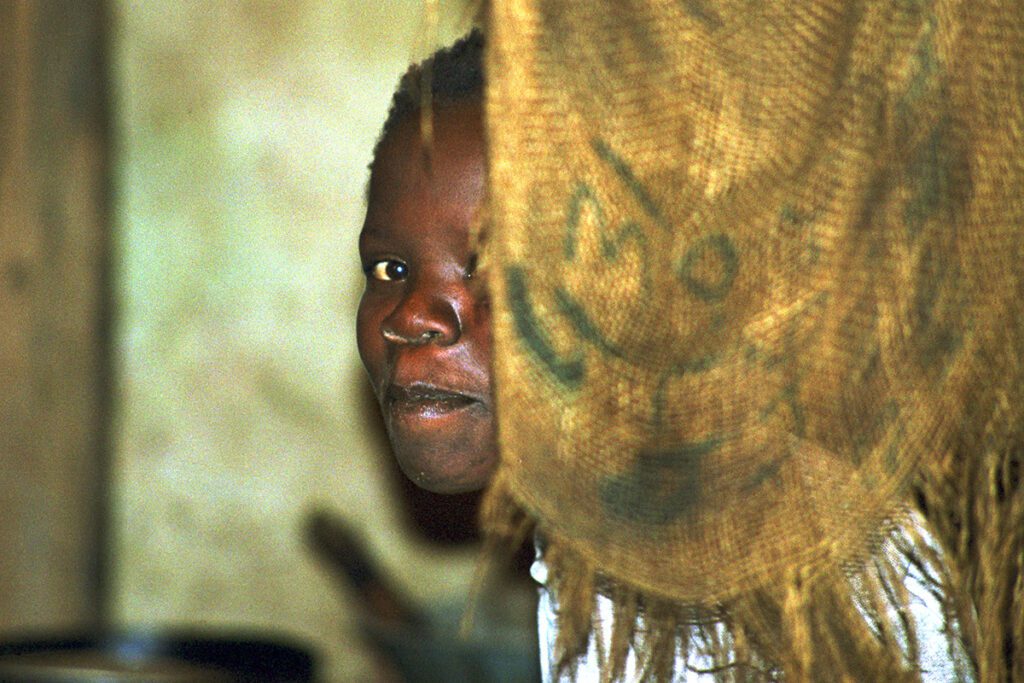
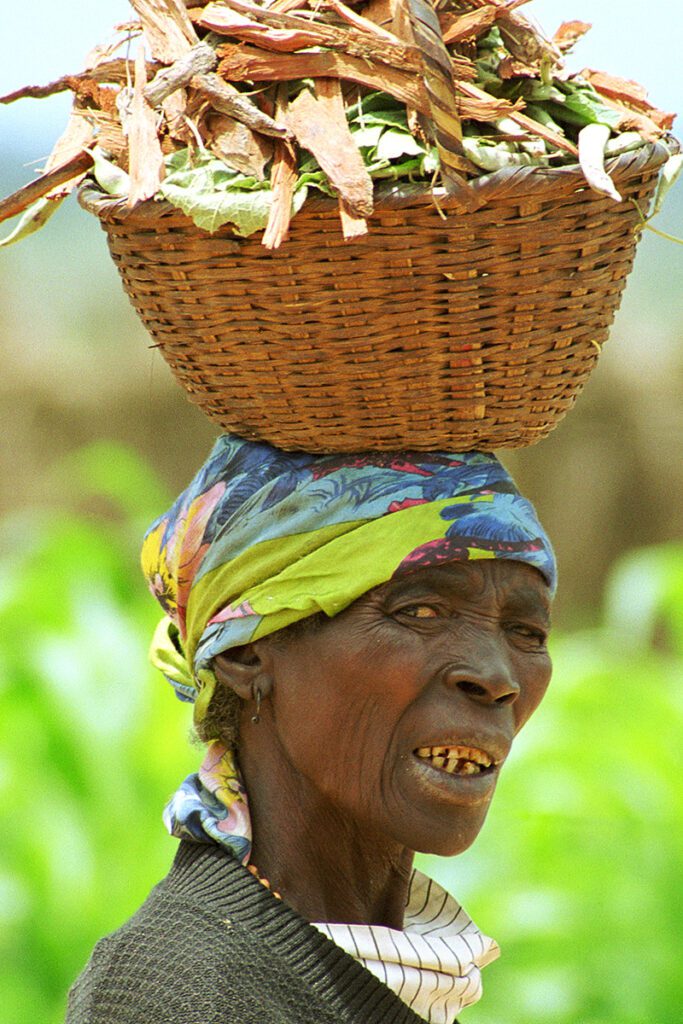
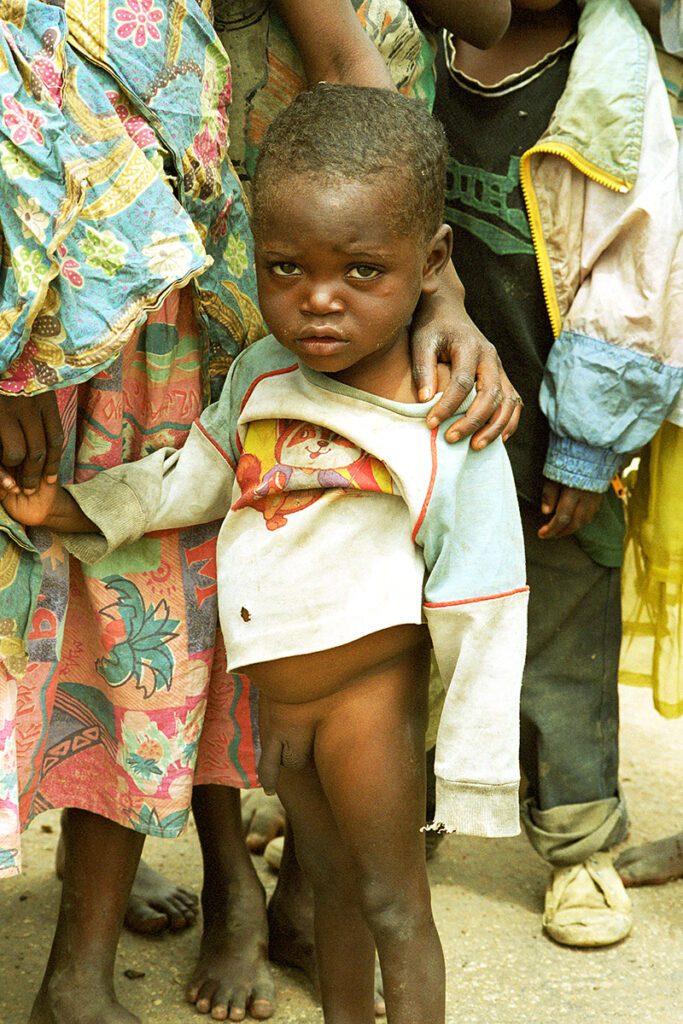
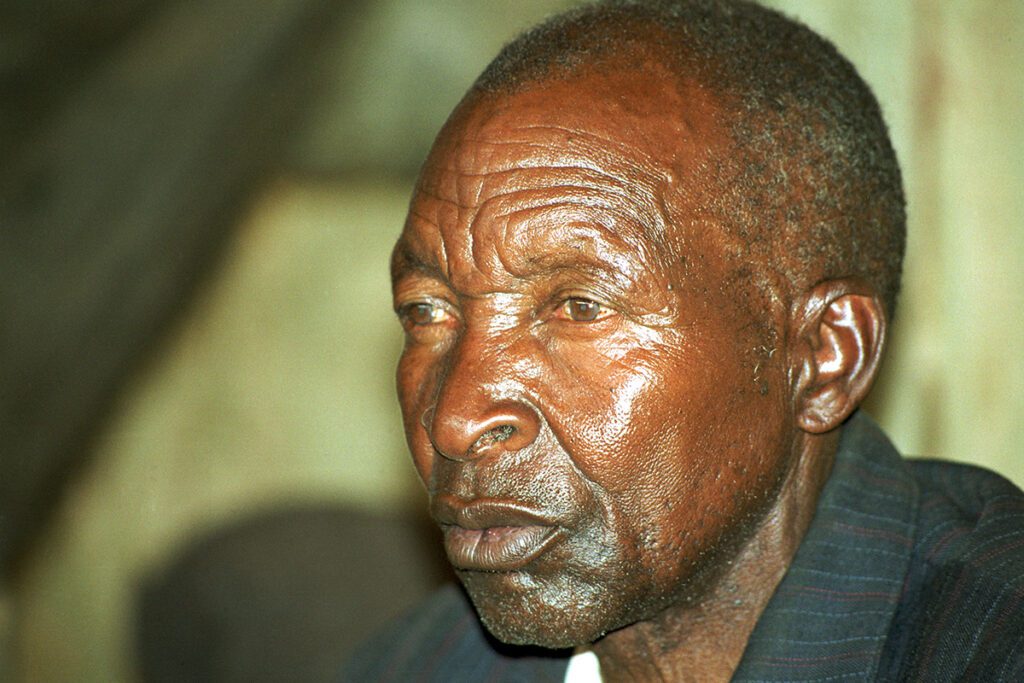
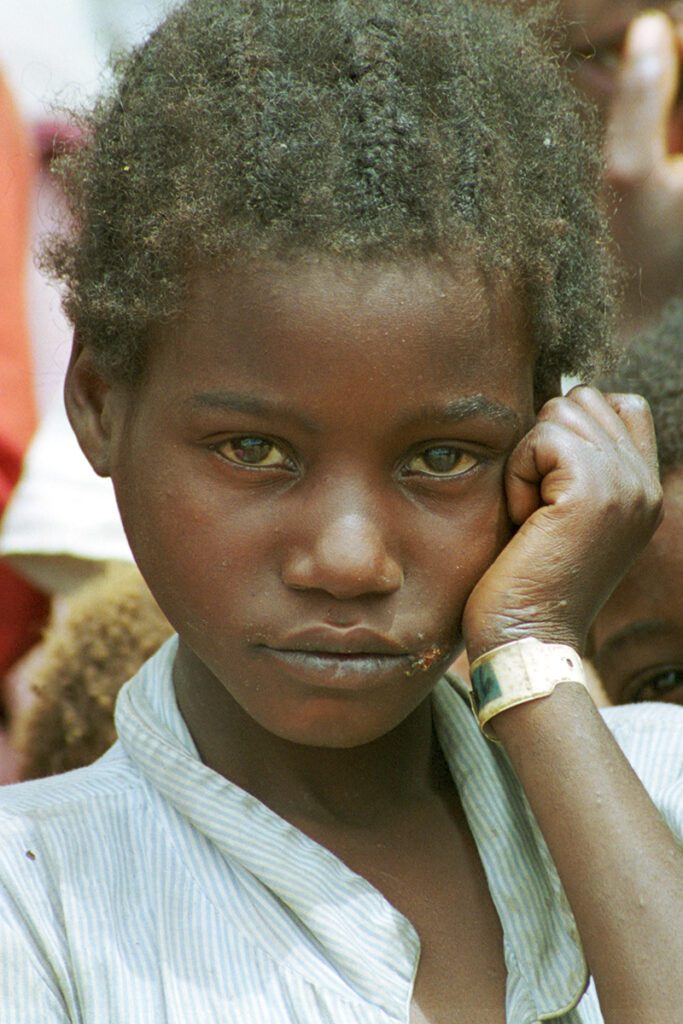
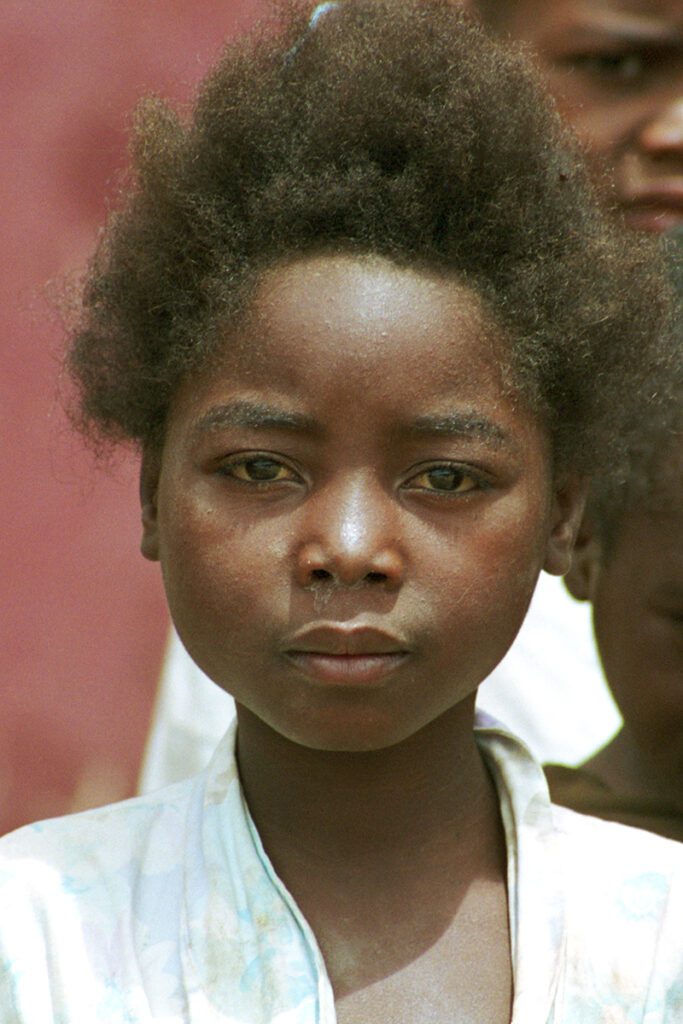
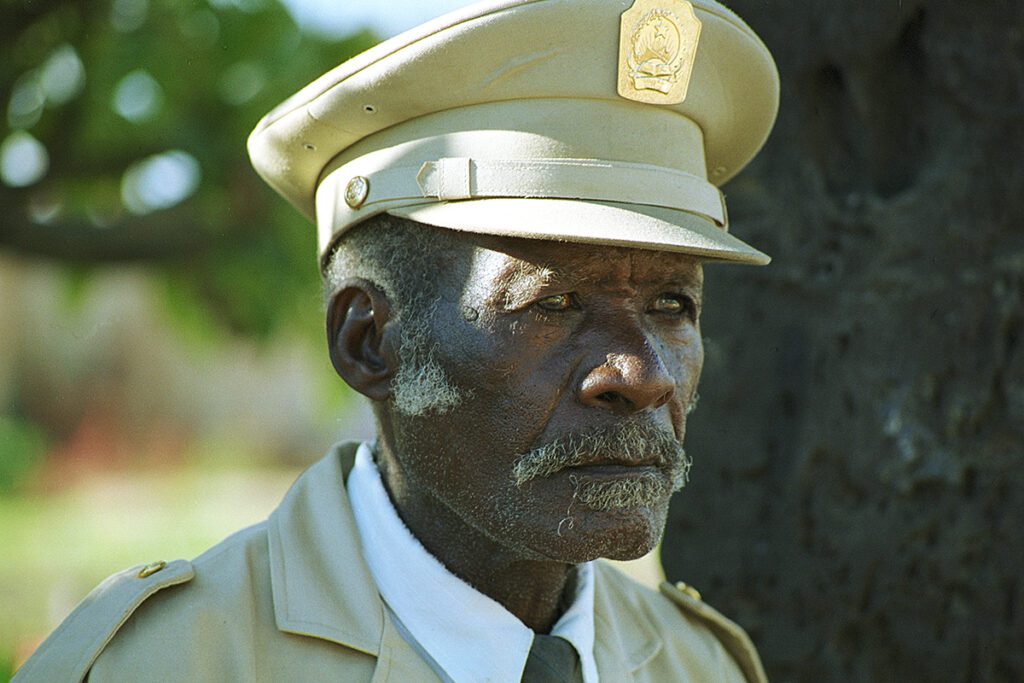
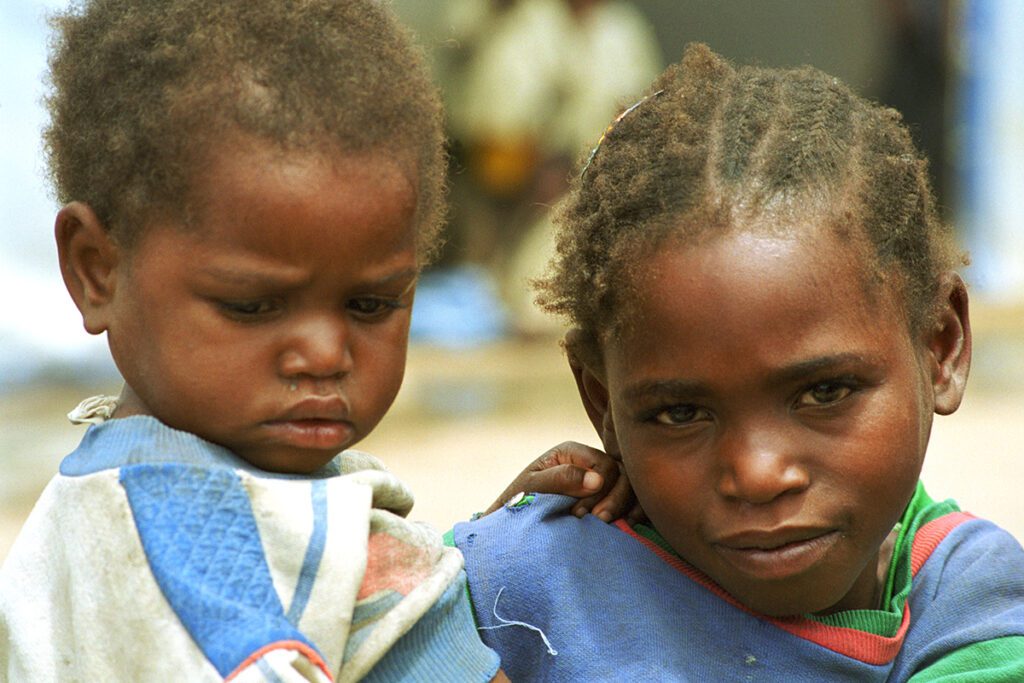
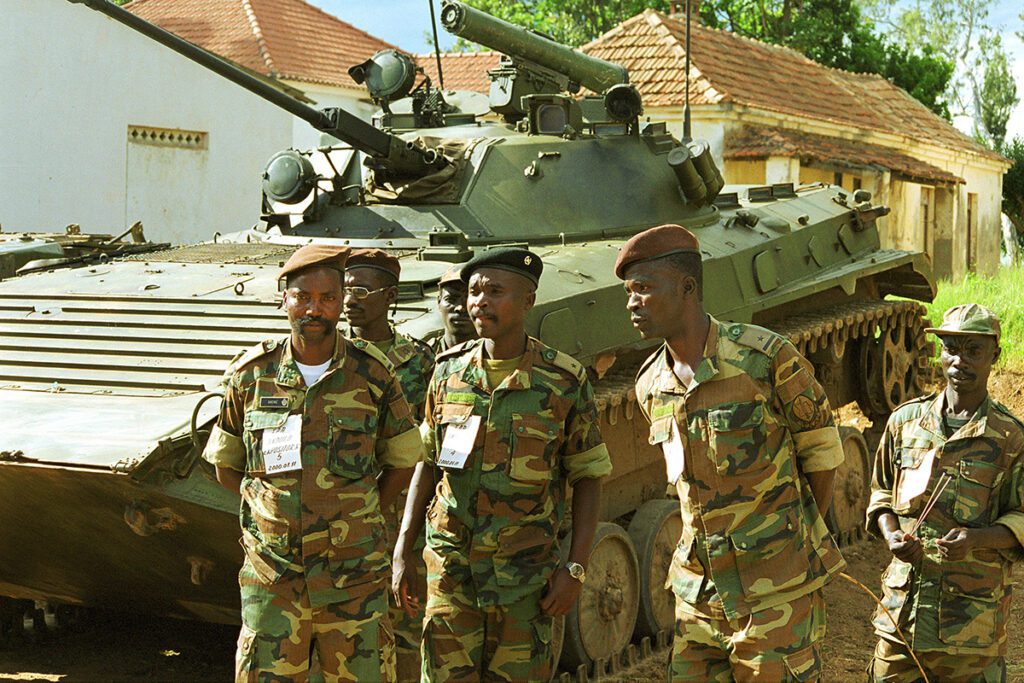
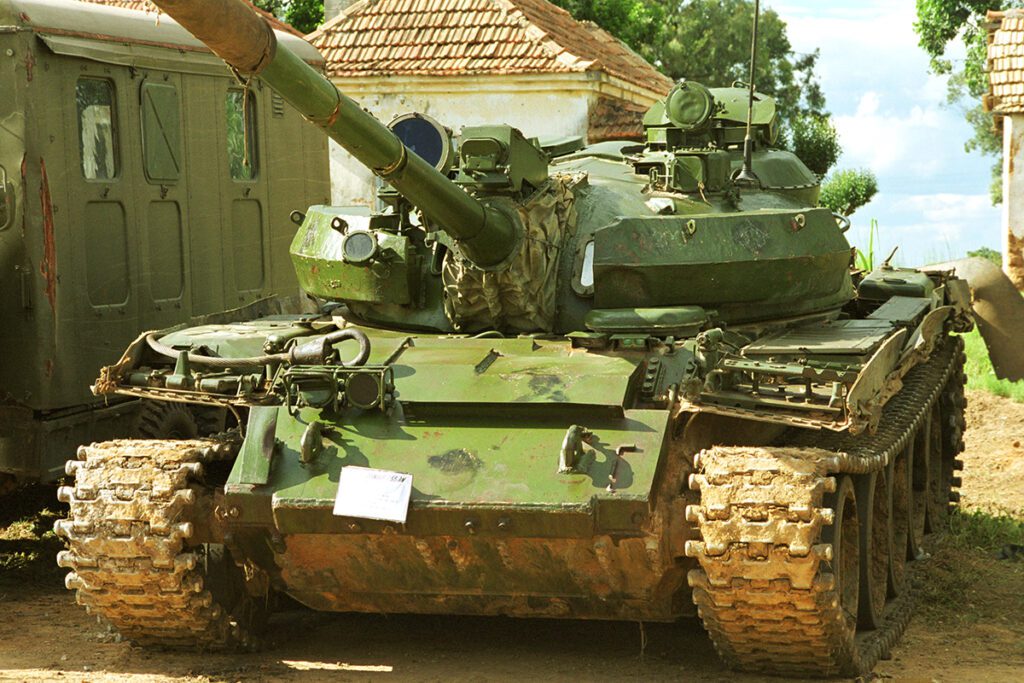
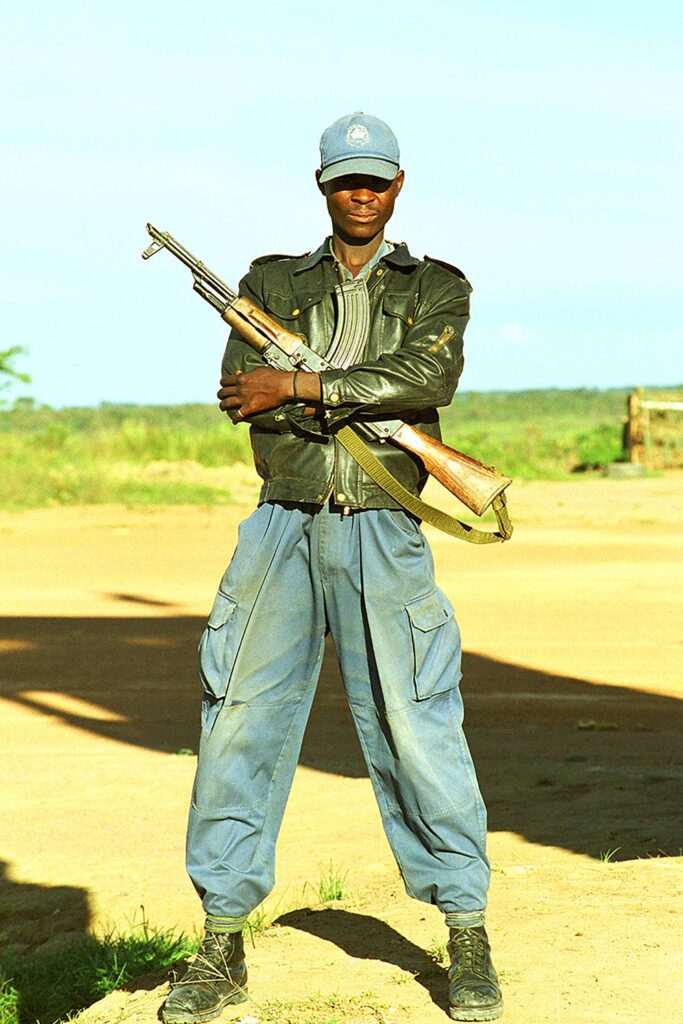
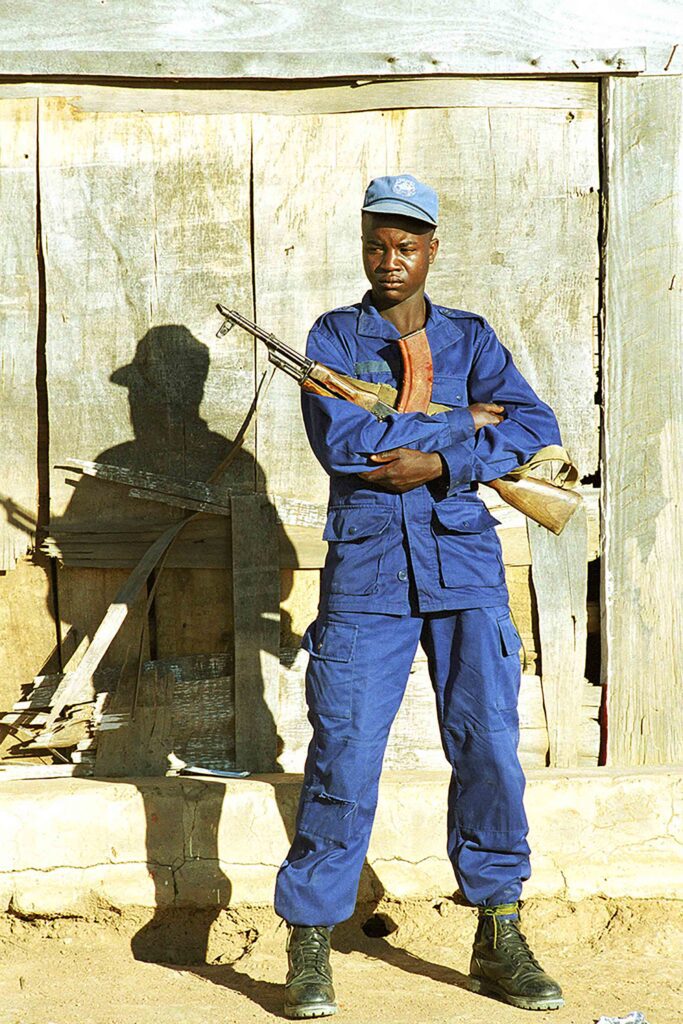
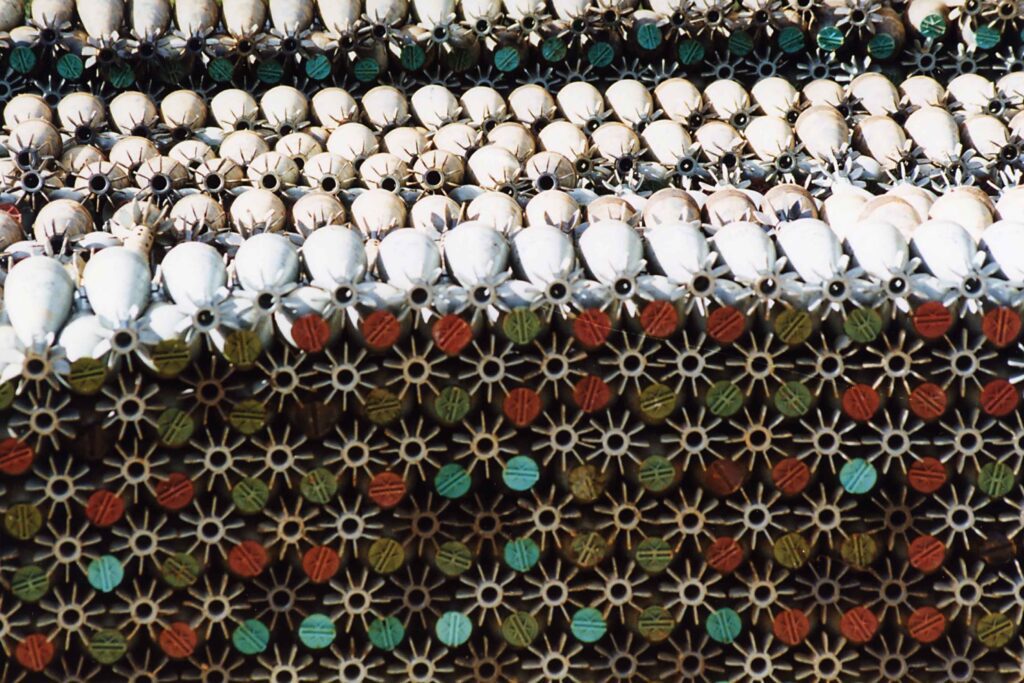
From Huambo, we flew to Savimbi’s former headquarters in Andulo where we held talks with senior Angolan military officers and viewed vast quantities of munitions, armoured vehicles and a wide variety of weapons captured over the previous few days from UNITA forces as they were ejected from Andulo.
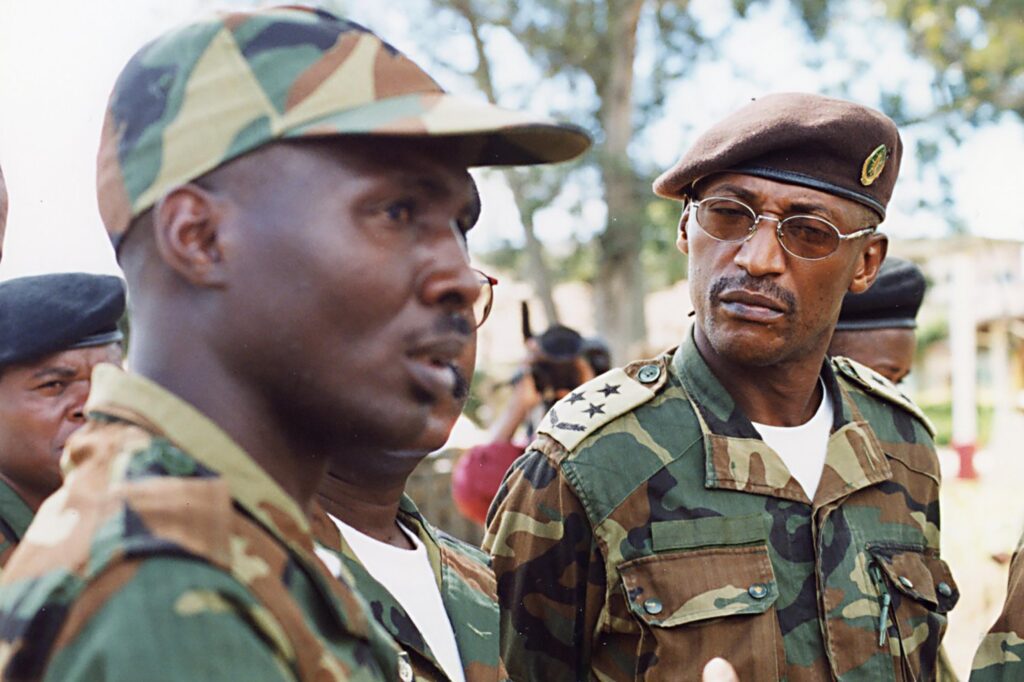
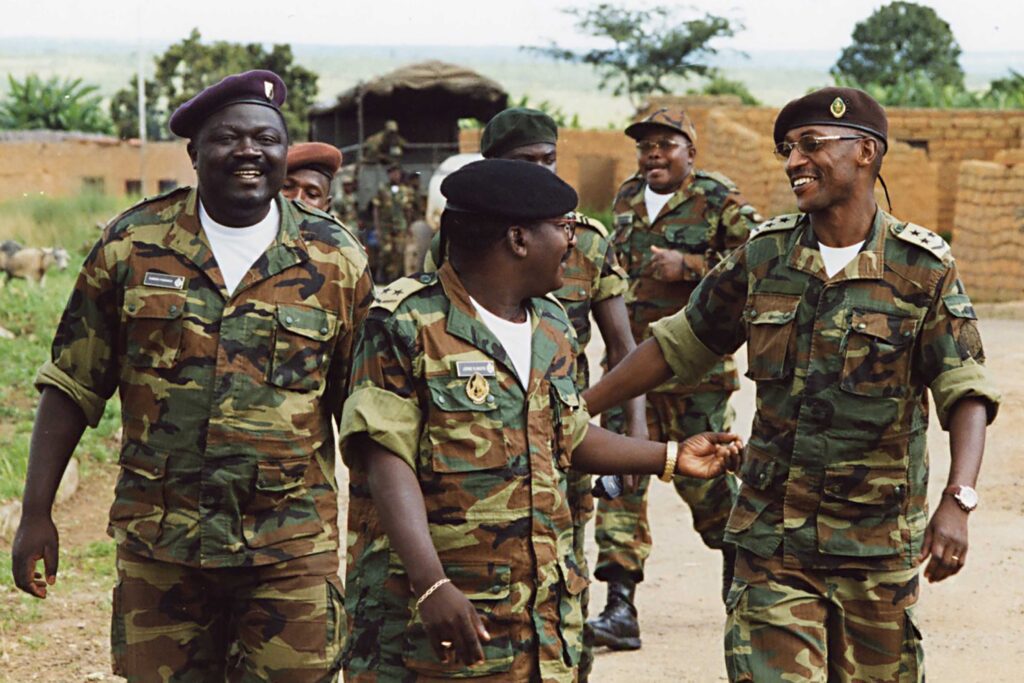
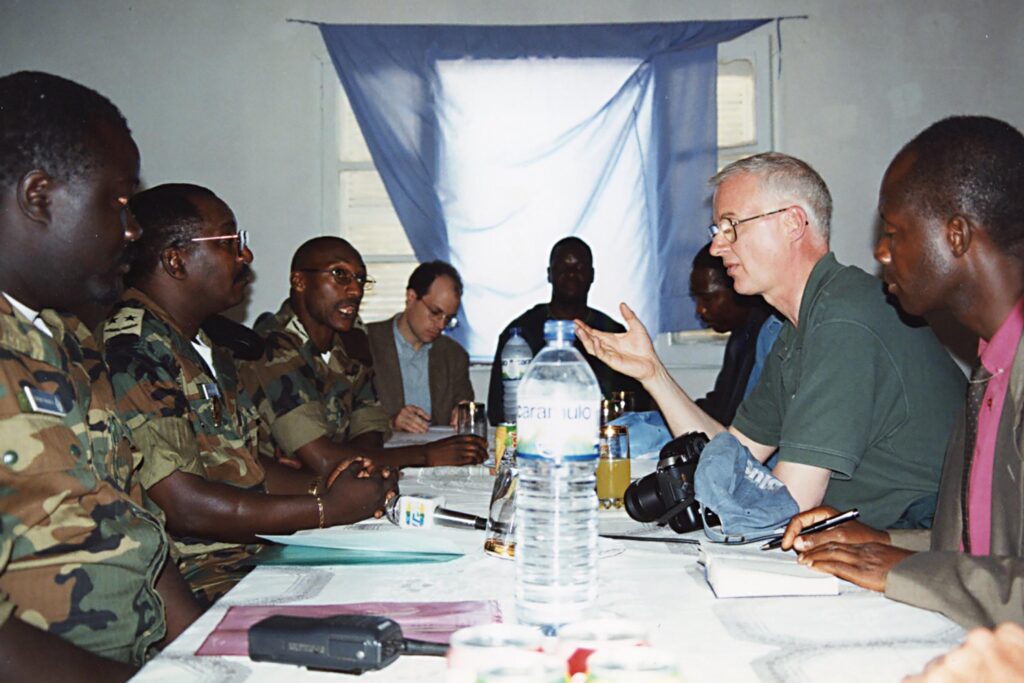
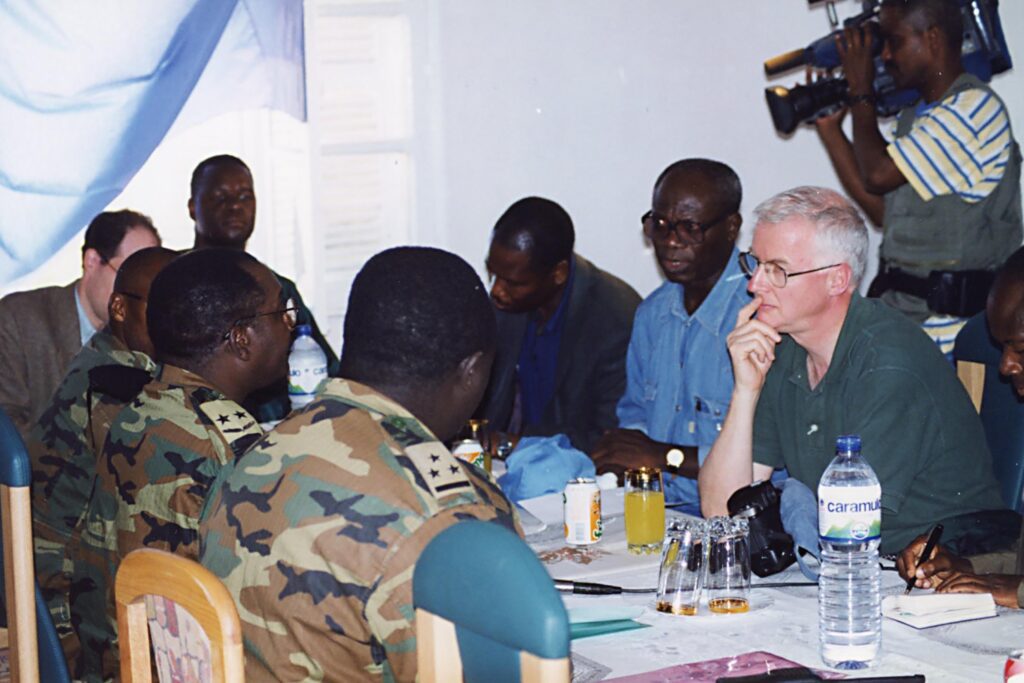
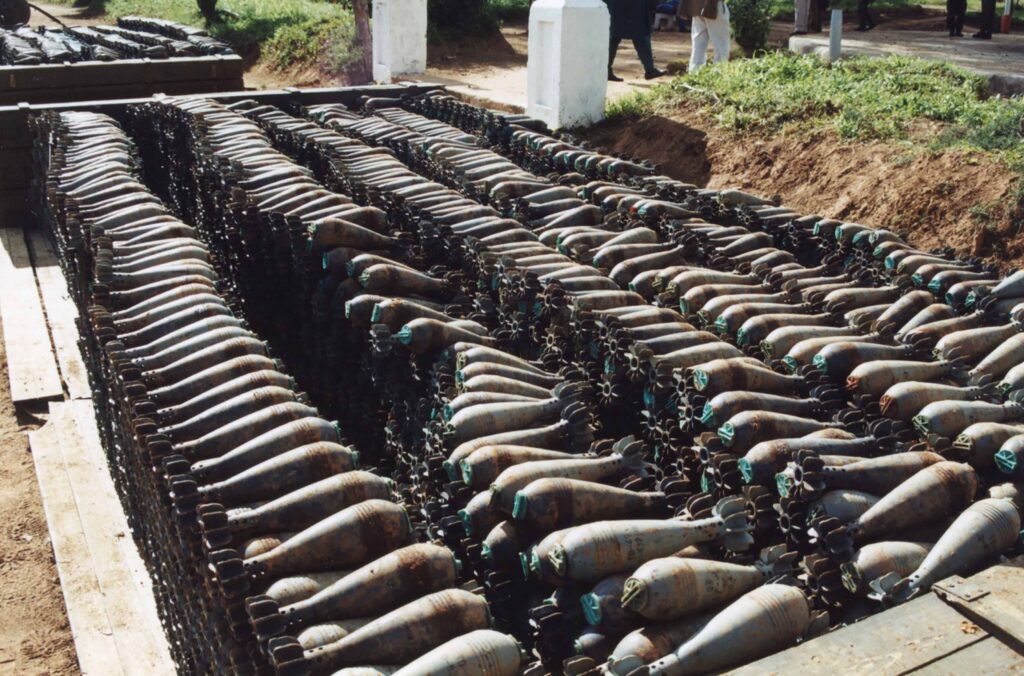
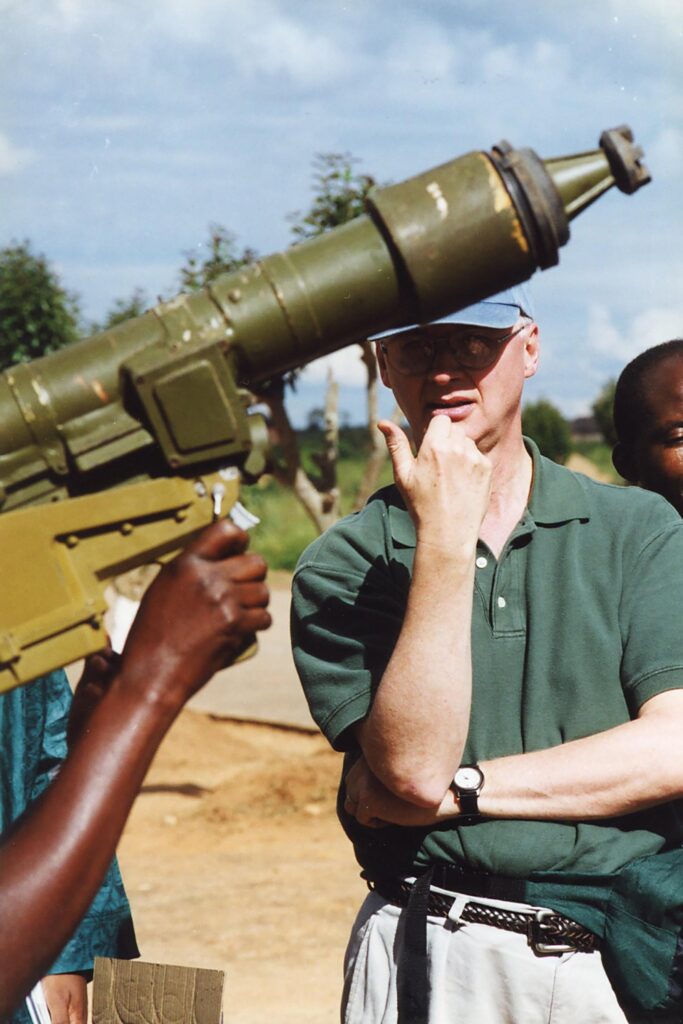
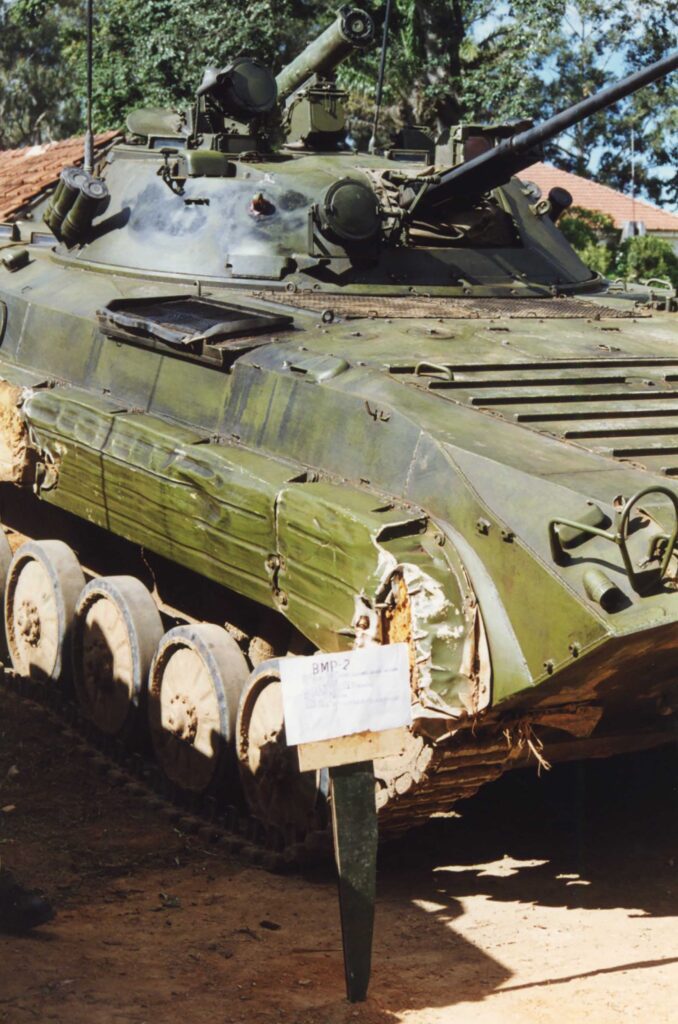
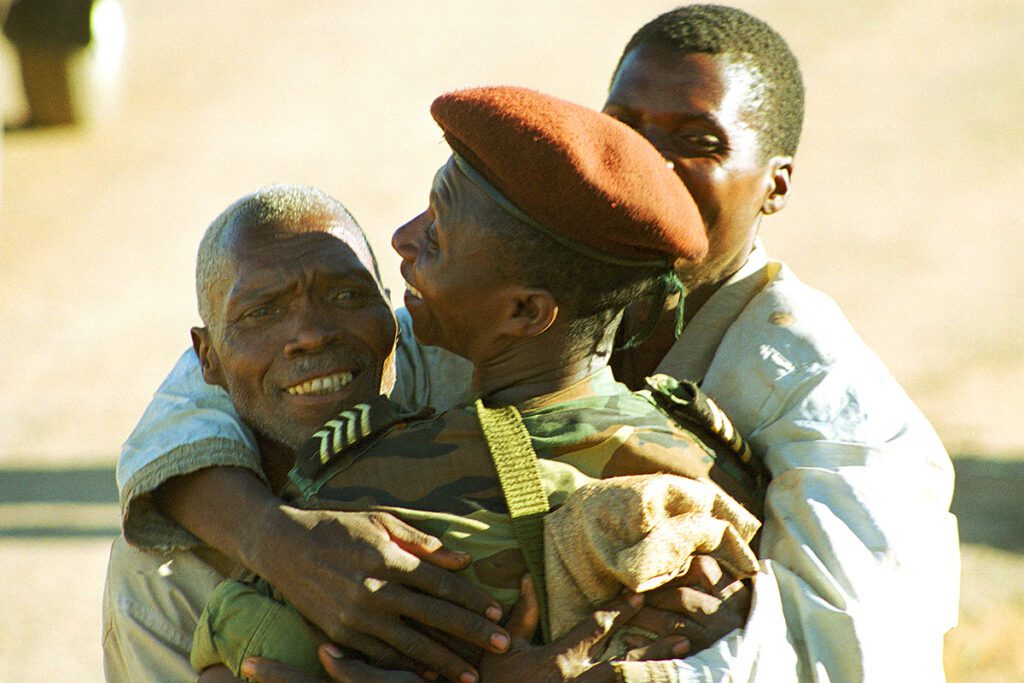
On return to Luanda, we recorded interviews with a number of UNITA defectors – first among them, General Jacinto Bandua, Savimbi’s former head of procurement – who were more than happy to speak to us about how and from where and from whom UNITA was being supplied with weapons; in other words, how UN Sanctions were being violated, and how Savimbi was paying for such war material.
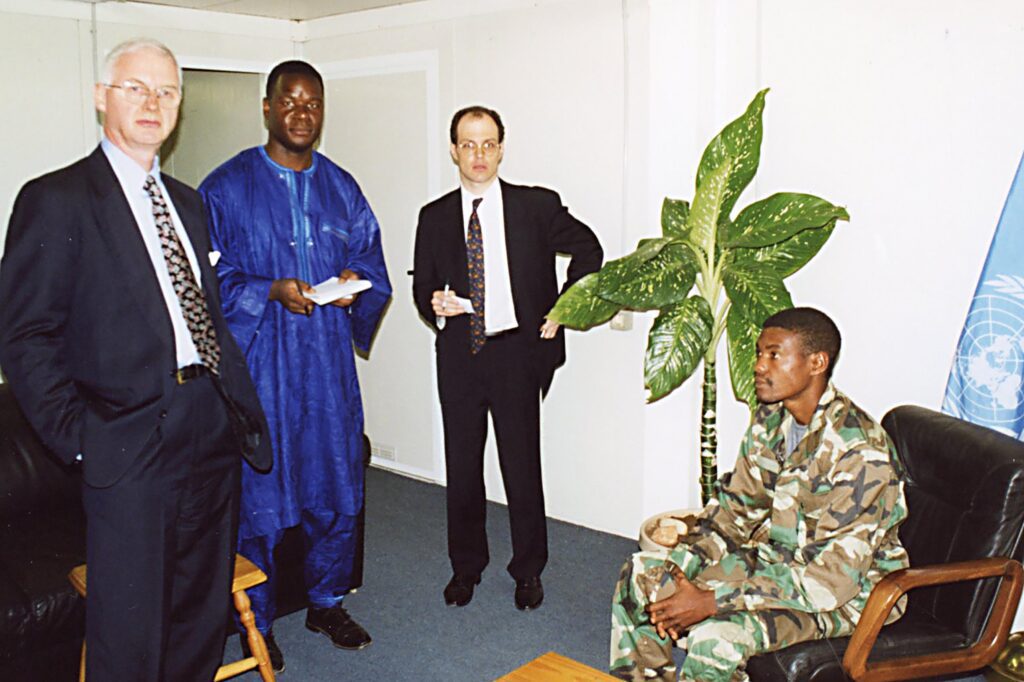
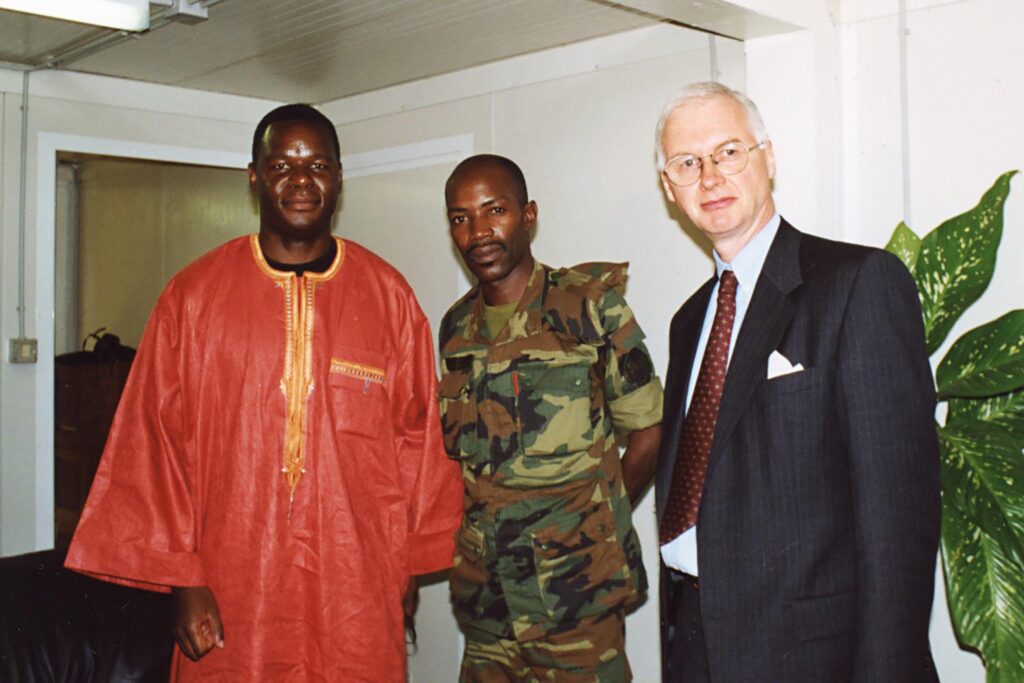
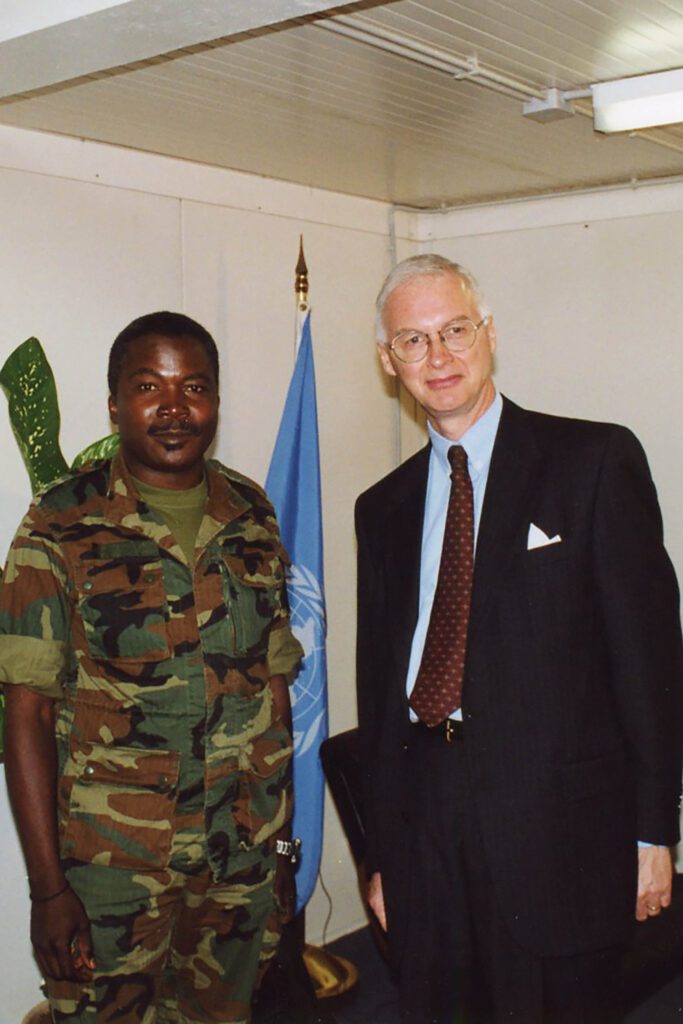
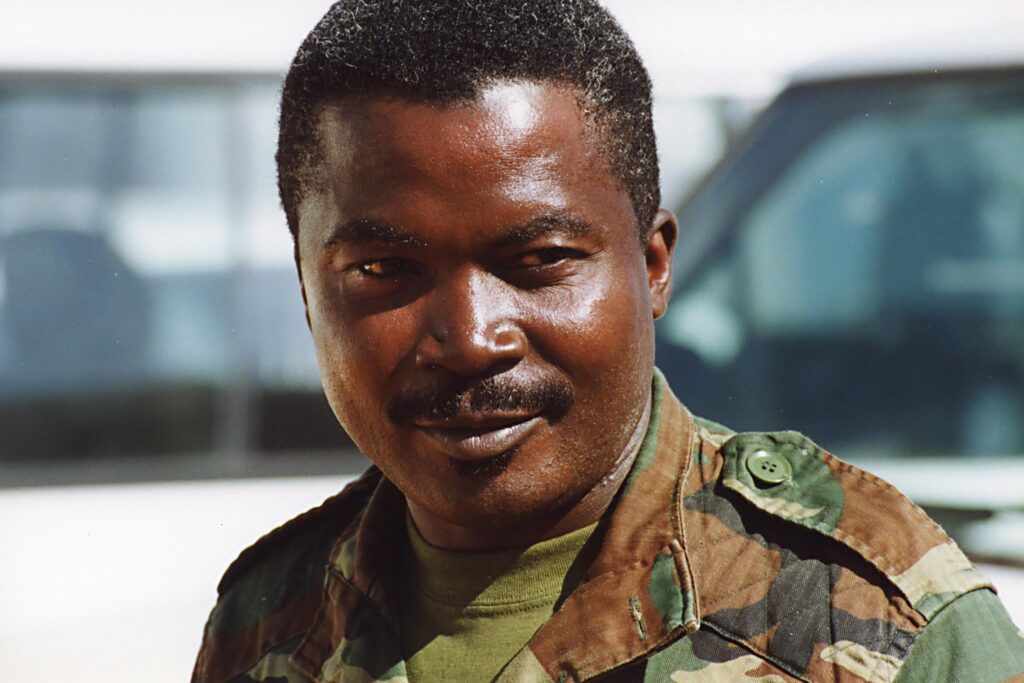
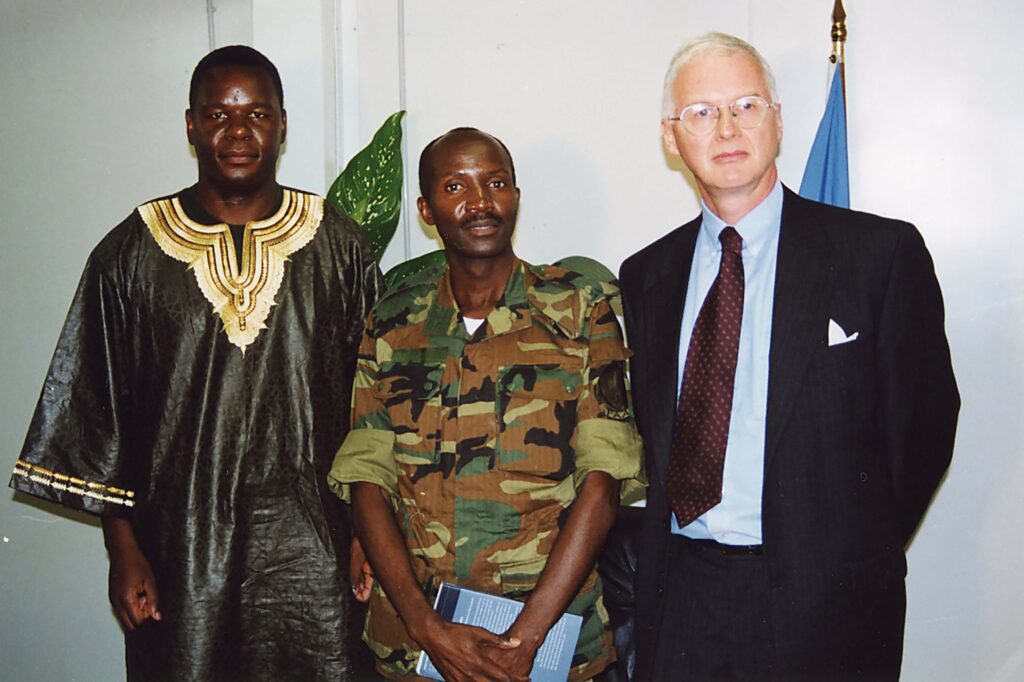
Based on these interviews and follow-up investigations, our Expert Panel, of which Mr. Samkange was the secretary, submitted a detailed report to the Security Council, which explained how sanctions were being violated, and named and shamed the perpetrators. As a result, UNITA’s access to the arms bazaar and diamond markets dried up and in little more than a year the Government was able to defeat UNITA forces in the field and end the nearly 30 year-old civil war.
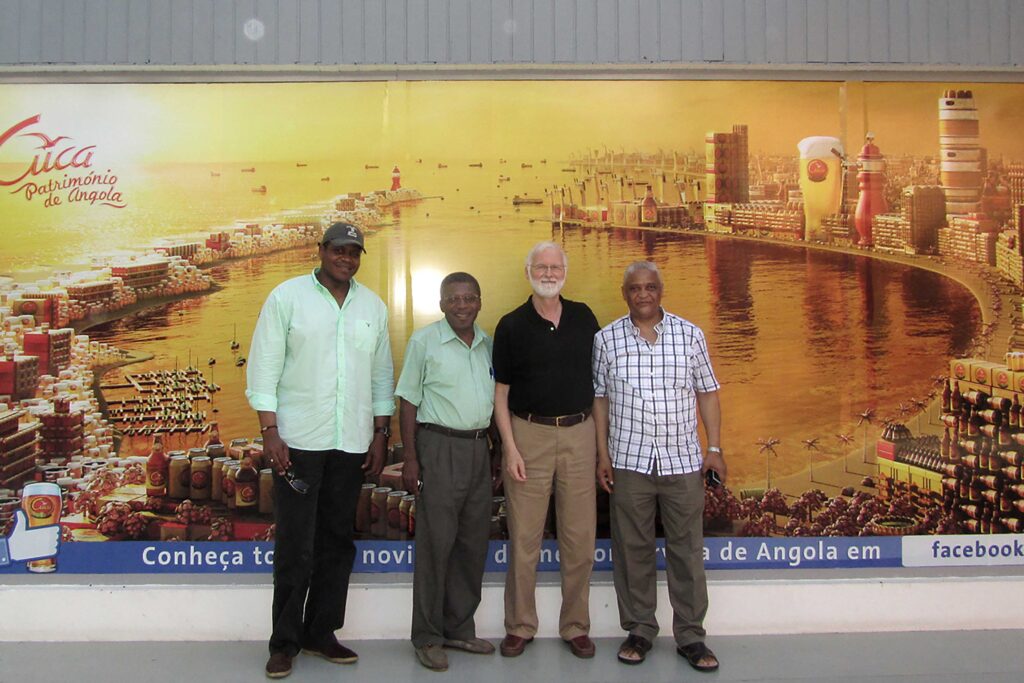
In April 2012, Mary and I were invited by the Government of Angola to celebrate 10 years of peace, and meet President José Eduardo dos Santos
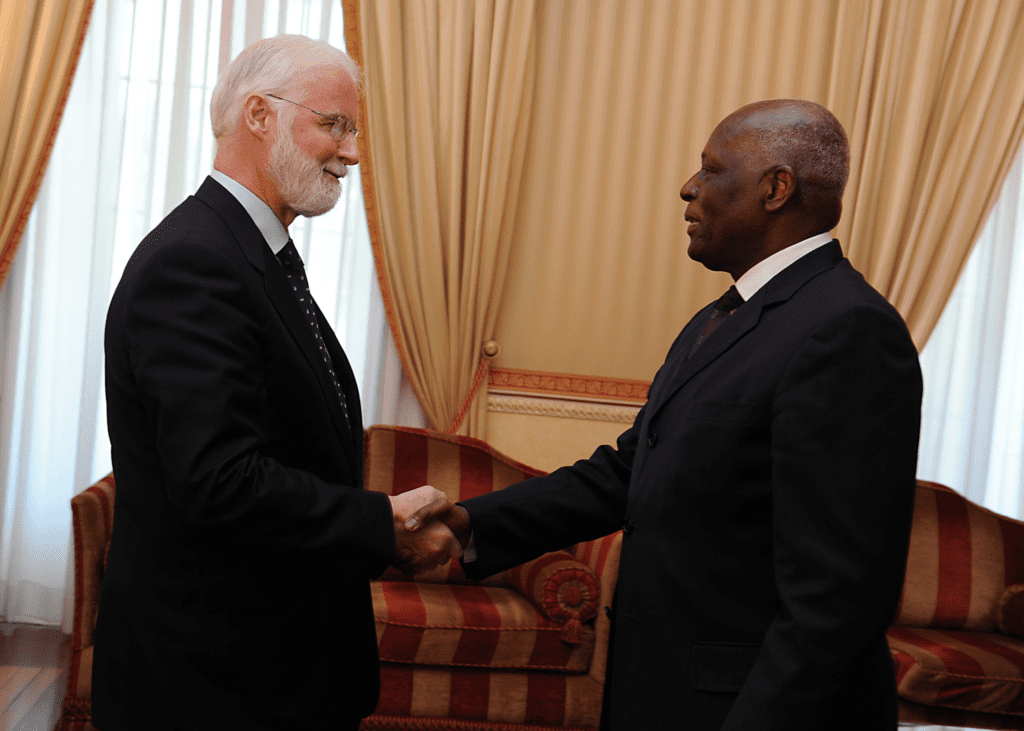
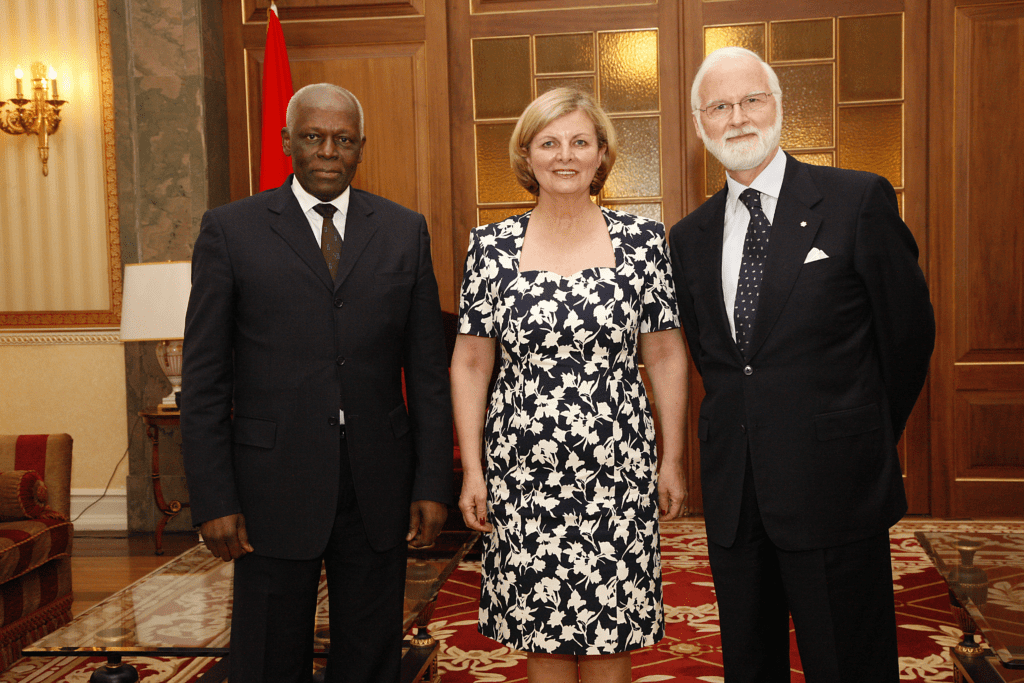
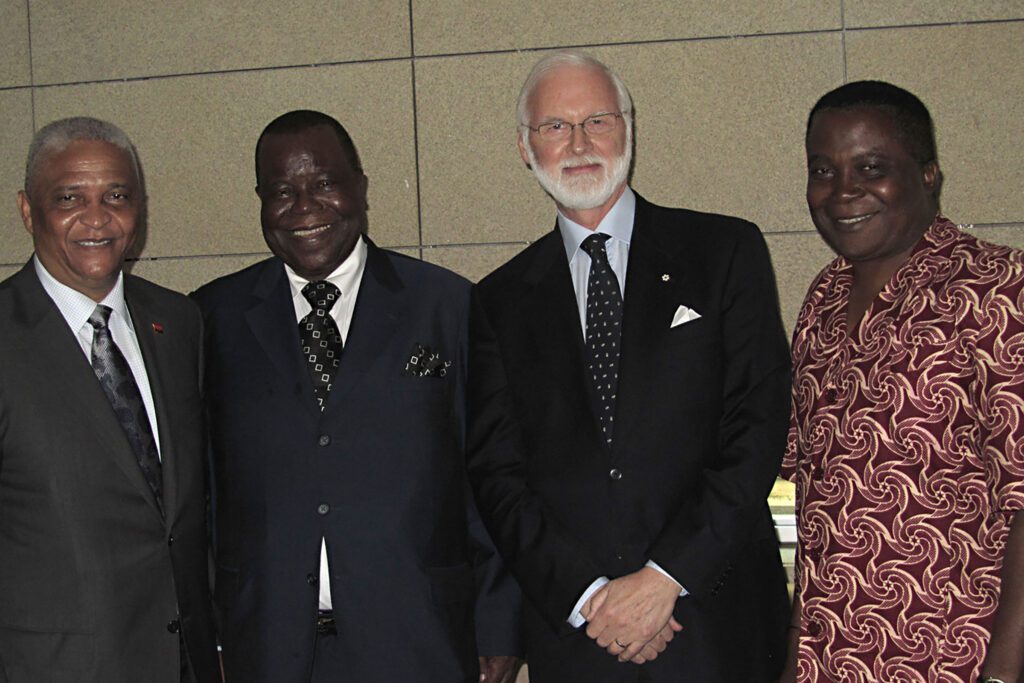
I also spoke to the Angolan Parliament and the diplomatic community, in addition to catching up with old friends who were instrumental to the sanctions break through at the Security Council in 1999 and 2000.
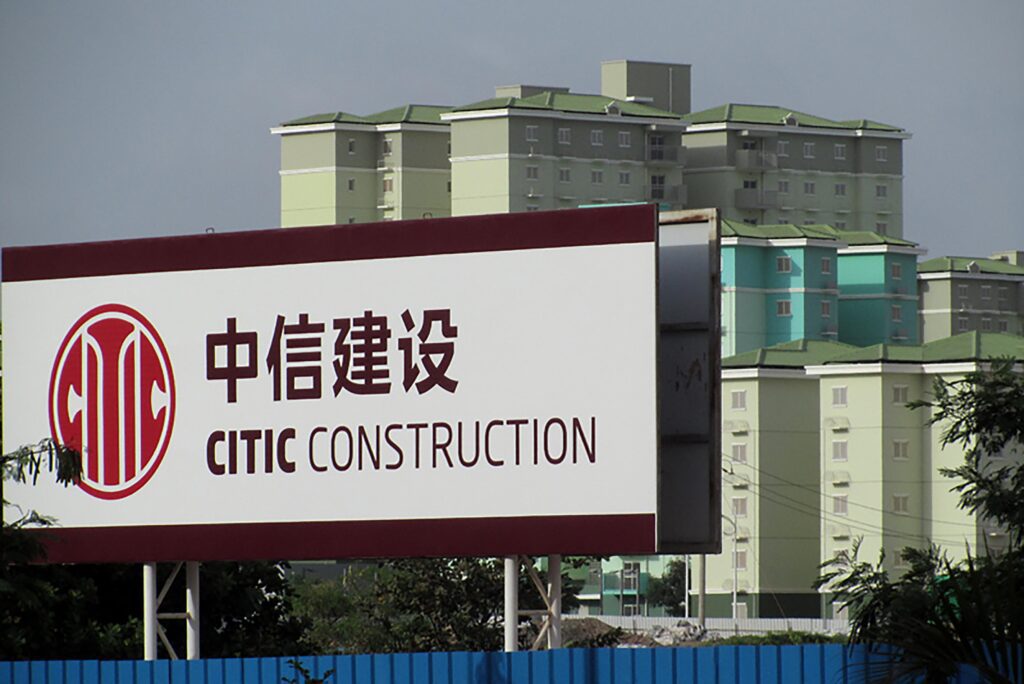
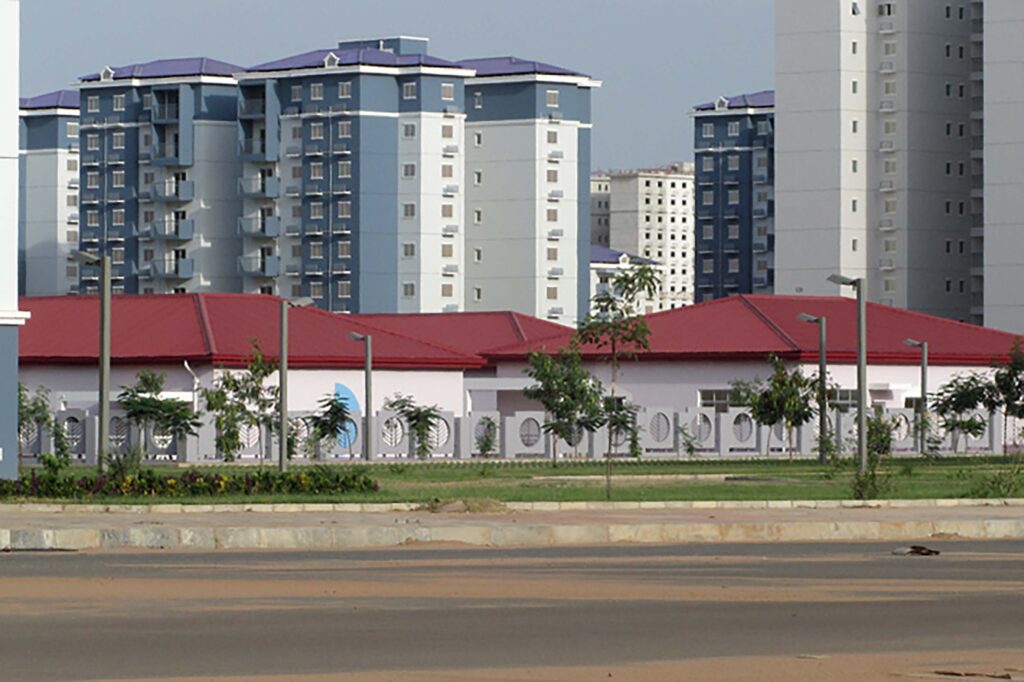
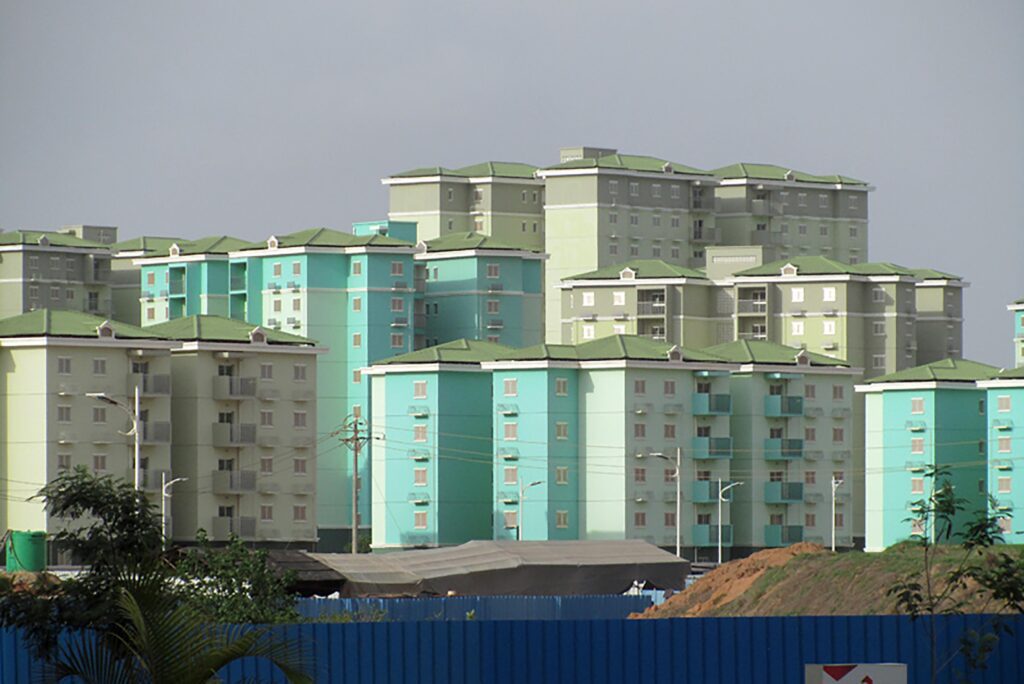
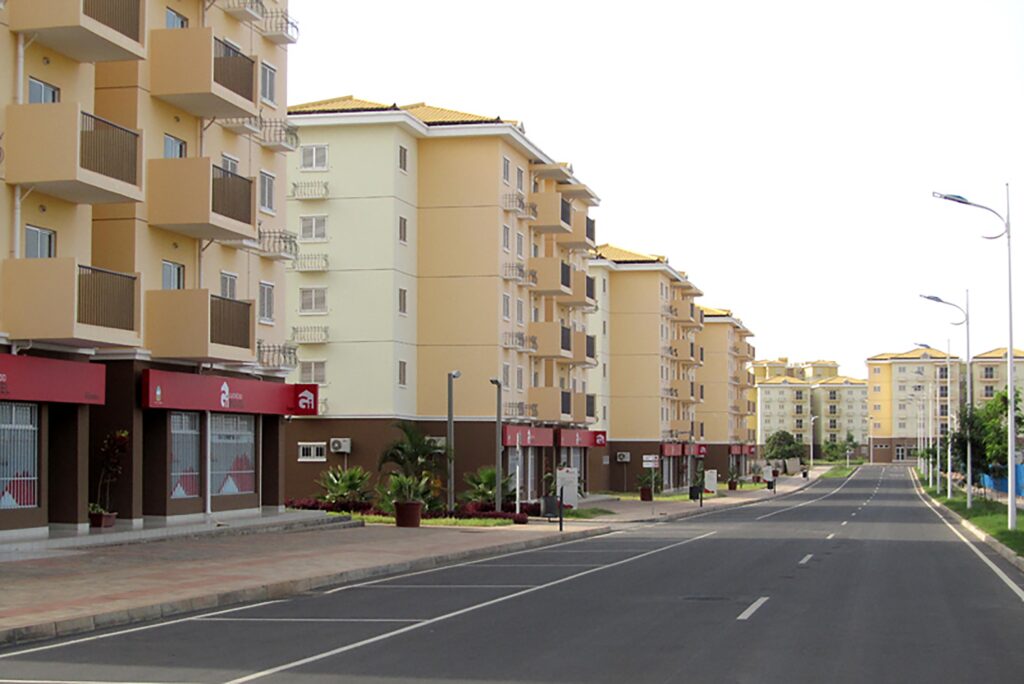
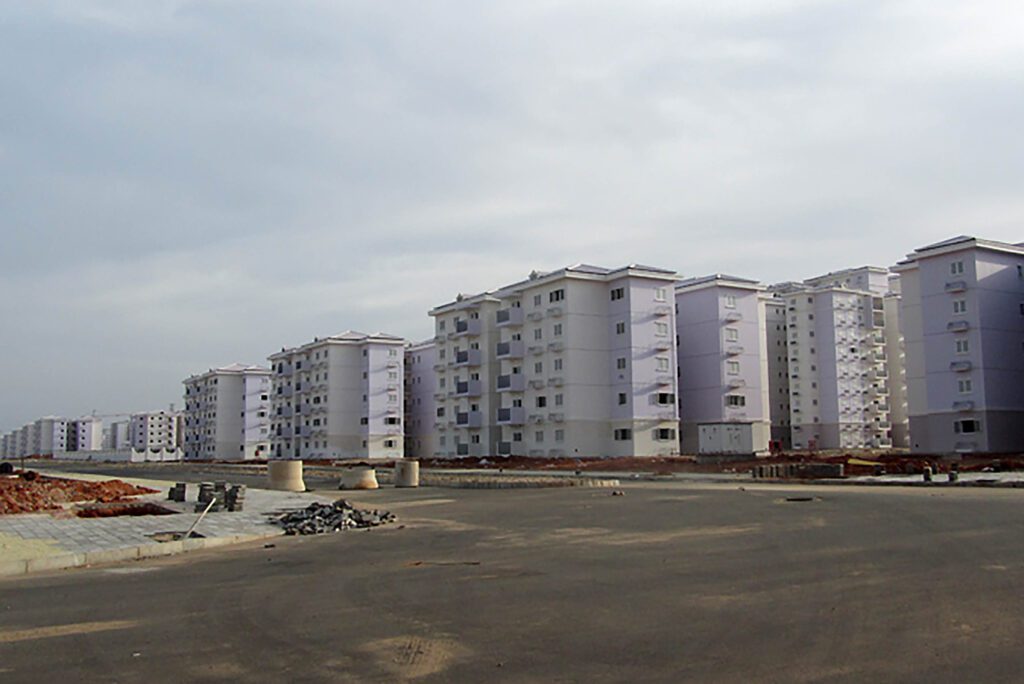
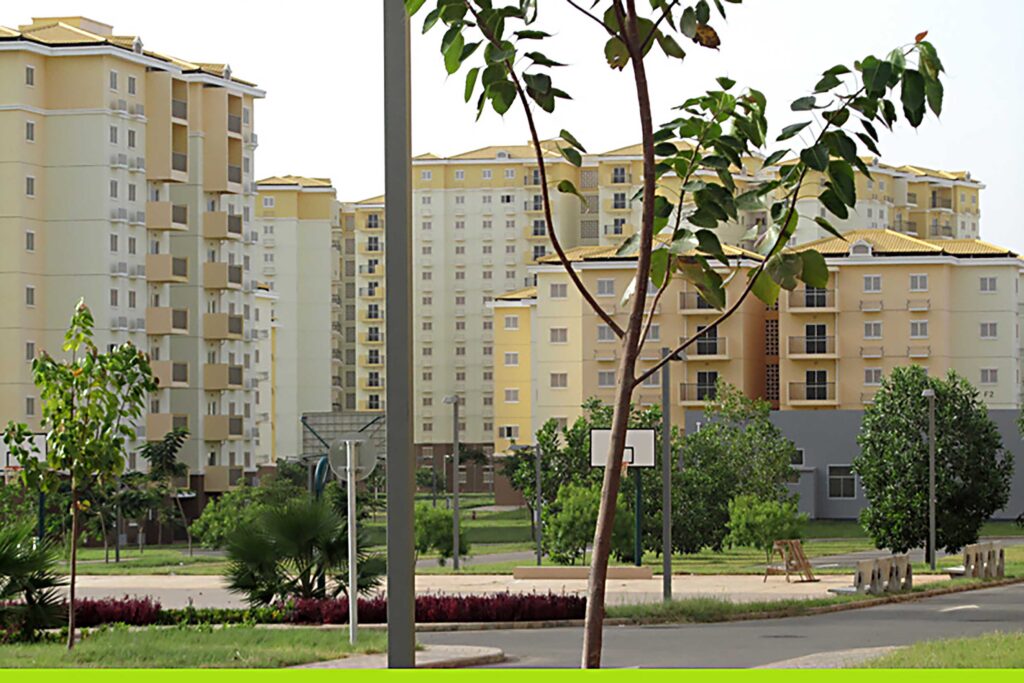
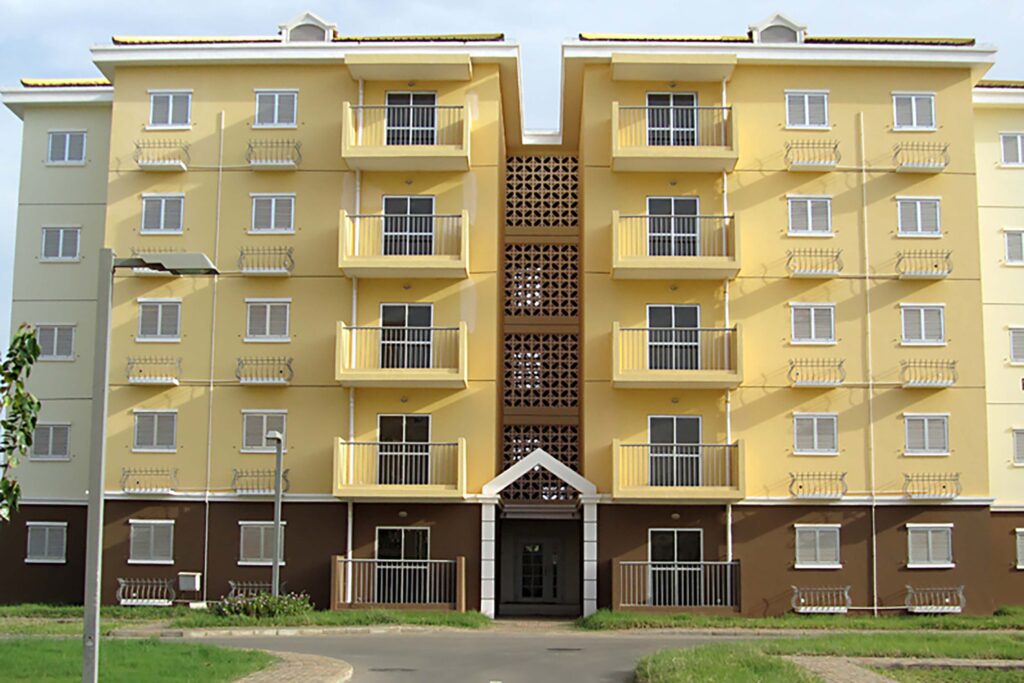
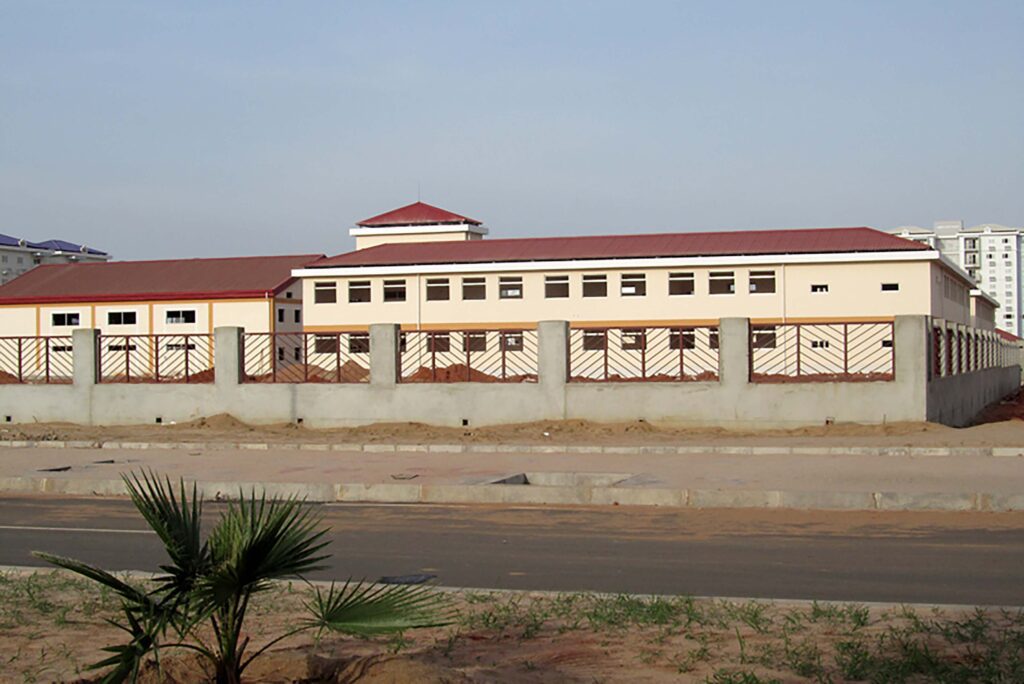
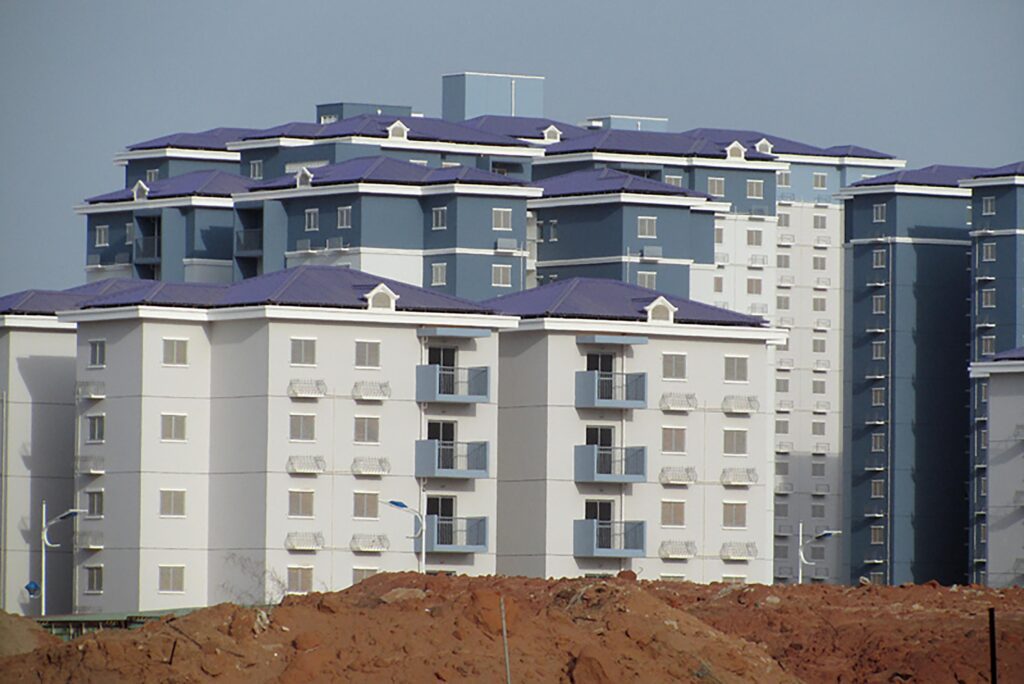
At this time Angola hosted the most significant Chinese presence in Africa. Beijing was repairing the massive damages wrought over nearly three decades of civil war in exchange for a large proportion of Angola’s oil production (roughly the same as Nigeria’s with 10% of Nigeria’s population). This huge Kilamba City urban development project, just outside of Luanda, was but one example.